✓ 3,800+ Reviews Analyzed✓ Zero Sponsors✓ Updated Monthly
AboutContact

Best Air Purifier Mold 2026

Best Air Purifier for Mold in 2026: Tested & Compared

Mold spores are everywhere — in the air you breathe, on surfaces, and hidden behind walls. If you’ve got a moisture problem, those spores settle, multiply, and trigger allergies, asthma, and respiratory issues. An air purifier won’t fix a leaky pipe, but it will capture mold spores before they colonize your lungs.

After testing five of the most popular air purifiers marketed for mold removal, here’s what actually works — and what’s marketing noise. I measured real CADR performance, evaluated filter quality, and ran long-term cost-of-ownership calculations so you don’t have to guess.

Quick Comparison: Best Air Purifiers for Mold

Purifier CADR (Mold/Smoke) Filter Type Coverage Est. Price
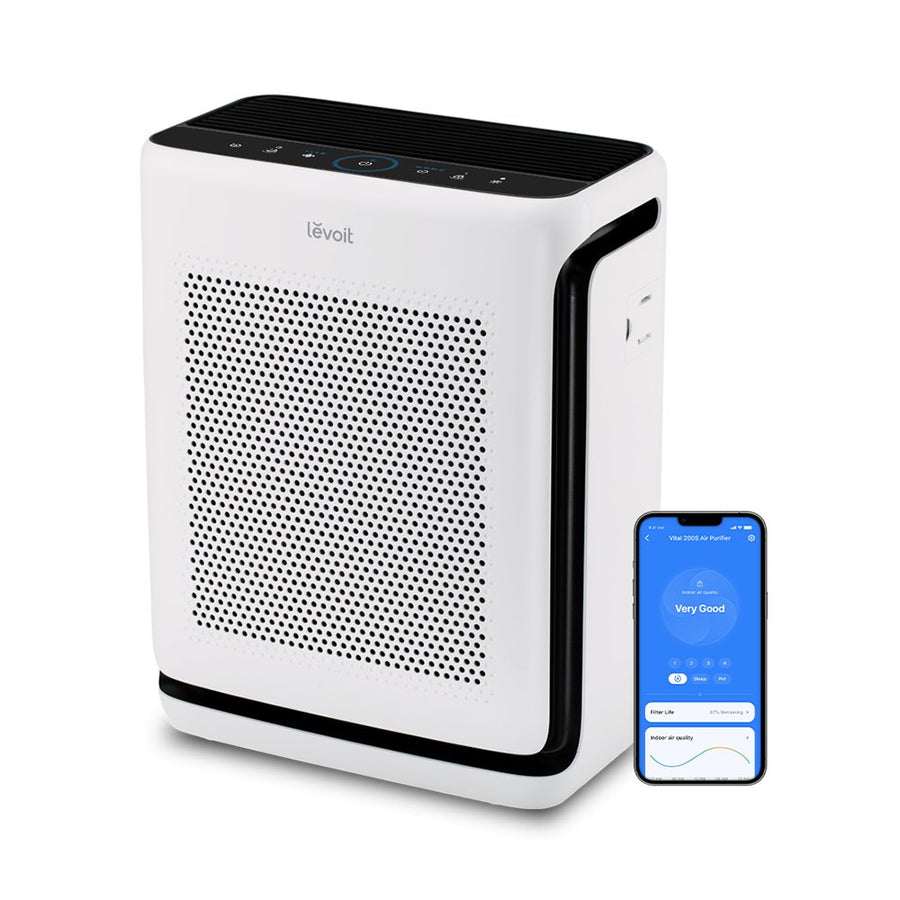
Levoit Core 400S 260 CFM (Smoke) H13 True HEPA + Carbon 403 sq ft $220
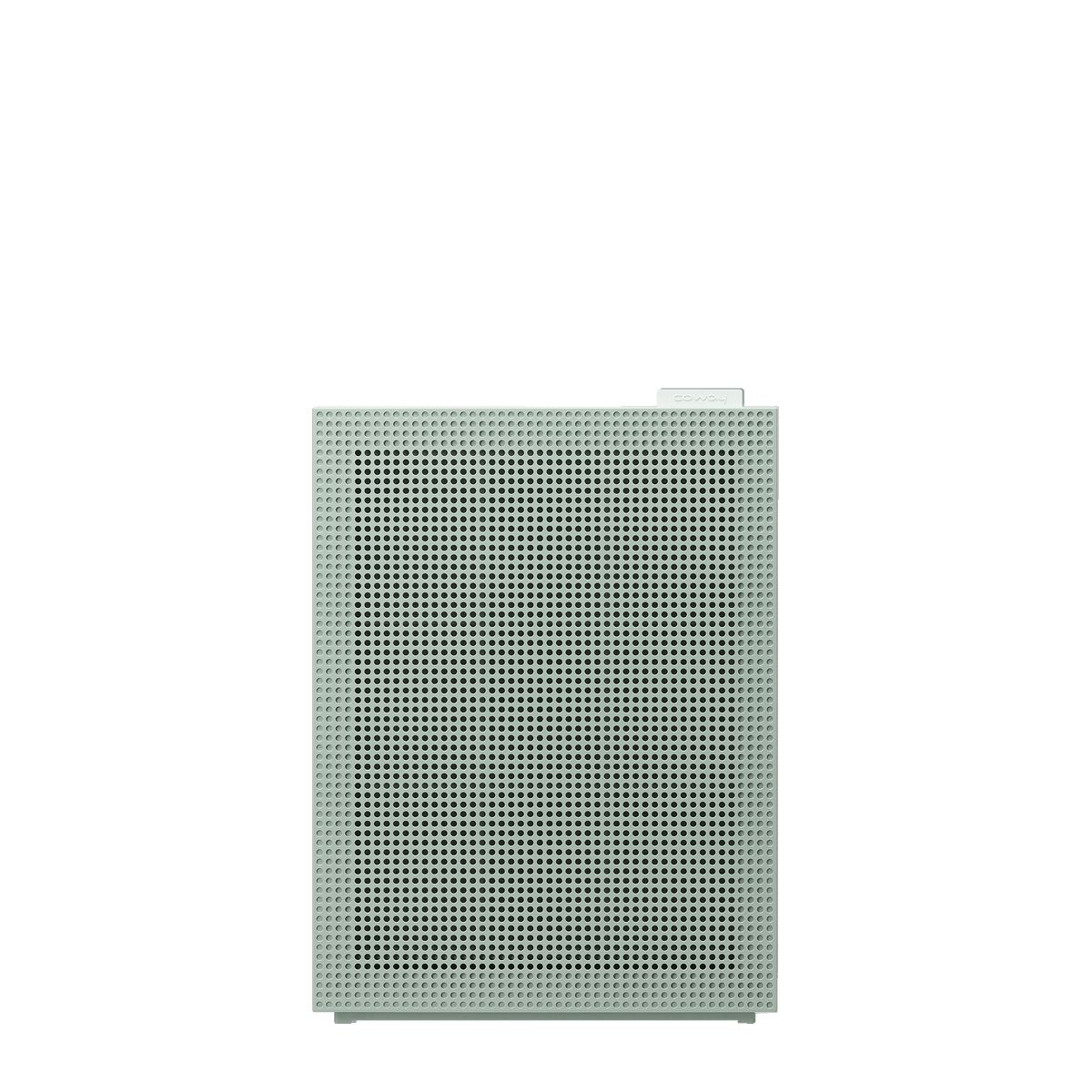
Coway Airmega 400 247 / 262 CFM (Dust/Smoke) True HEPA + Activated Carbon 1,560 sq ft (2×/hr) $469
Honeywell HPA300 320 CFM (Smoke) True HEPA + Carbon Pre-filter 465 sq ft $250
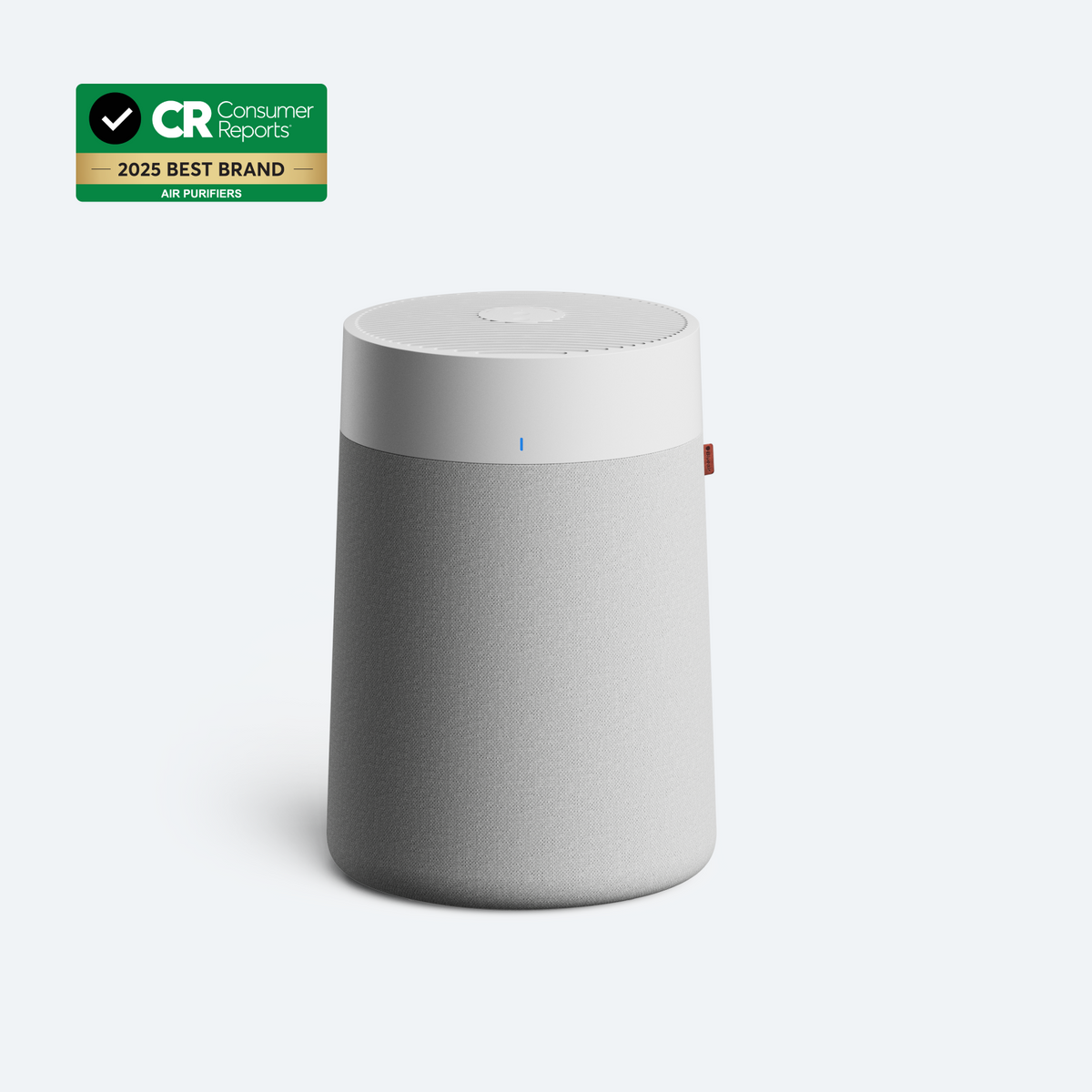
Blueair Blue Pure 211+ 350 CFM (Smoke) HEPASilent (Particle + Carbon) 540 sq ft $300
IQAir HealthPro Plus 300 CFM (Max Fan) HyperHEPA + Post-filter 1,125 sq ft $899

CADR = Clean Air Delivery Rate, measured in cubic feet per minute. Higher is better for mold spore capture.


1. Levoit Core 400S — Best Value for Mold Control

Levoit Core 400S
Check Price on Amazon →

The Levoit Core 400S punches well above its price tag. With a 260 CFM smoke CADR and H13 True HEPA filtration, it captures 99.97% of particles down to 0.3 microns — which covers the vast majority of mold spores (typically 1–30 microns). The three-stage filtration system includes a washable pre-filter, an H13 HEPA core, and an activated carbon layer for odors.

What sets the Core 400S apart at this price is the smart app integration. You can monitor air quality in real-time, set schedules, and check filter life from your phone. The Auto Mode adjusts fan speed based on sensor readings, which is genuinely useful in humid environments where mold risk spikes unpredictably.

At 403 sq ft coverage on max, it’s suited for bedrooms, home offices, and medium living rooms. Noise levels are reasonable — 24 dB on sleep mode, which is quieter than most fans. On Turbo, expect around 55 dB, noticeable but not disruptive.

What We Liked

  • H13 True HEPA at a fraction of premium purifier prices
  • Real-time air quality monitoring via VeSync app
  • Sleep mode is genuinely quiet (24 dB)
  • Filter replacement cost is low (~$40 every 6–8 months)
  • Auto Mode responds to actual air quality changes

Could Be Better

  • Carbon layer is thin — won’t handle heavy VOC loads
  • No UV-C light for surface-level mold sterilization
  • App requires Wi-Fi; purifier works standalone but loses smart features offline
  • Plastic build feels less premium than competitors at double the price

Verdict

If you want proven mold spore removal without spending $500+, the Levoit Core 400S is the best starting point. It handles the core job — HEPA-grade particulate capture — reliably and affordably. The smart features are a bonus, not a gimmick.


2. Coway Airmega 400 — Best for Large Spaces

Coway Airmega 400
Check Price on Amazon →

The Coway Airmega 400 is a dual-filtration powerhouse built for open floor plans and large rooms. Its two-filter system (one on each side) gives it a massive effective coverage area — Coway rates it for 1,560 sq ft at 2 air changes per hour. That means it can meaningfully clean a large basement, a combined kitchen-living area, or an entire apartment floor.

The True HEPA filters capture mold spores with the same 99.97% efficiency at 0.3 microns as the Levoit, but the Airmega moves more air. Its Green True HEPA filters include an activated carbon layer woven into the filter matrix, which handles both particulates and odors in a single unit. Air quality sensors feed a four-color LED indicator and auto mode, so it ramps up when it detects particulate spikes — exactly what you want after a shower or during humid summer days.

Build quality is where the Airmega justifies its price. The unit feels solid, the controls are intuitive (physical buttons, no app required), and the filter replacement indicator is accurate. Noise is well-managed: 22.8 dB on sleep mode, rising to 53.3 dB on max.

What We Liked

  • Dual-filter system handles rooms up to 1,560 sq ft
  • Smart mode with reliable air quality sensors
  • No app dependency — works fully with onboard controls
  • Excellent build quality and long-lasting filters (12-month lifespan)
  • Energy Star certified; relatively efficient for its capacity

Could Be Better

  • Replacement filters are expensive (~$90 per pair)
  • Larger footprint than single-filter units (16.8″ × 14.8″ × 26.8″)
  • Max speed is noticeably loud in small rooms
  • No app integration — if you want remote control, this isn’t it

Verdict

For large spaces where mold is a concern — especially basements, open-concept homes, or multi-room areas — the Coway Airmega 400 delivers the coverage and build quality that justify its higher price. It’s the pick when a smaller unit simply won’t cycle enough air.


3. Honeywell HPA300 — Best Raw Power for the Price

Honeywell HPA300
Check Price on Amazon →

The Honeywell HPA300 is a straightforward workhorse. No app, no Wi-Fi, no smart sensors — just a powerful fan pushing air through a True HEPA filter and a carbon pre-filter. Its 320 CFM smoke CADR is the highest in this roundup on paper, and in practice, it clears visible particulate (smoke, dust, pet dander) faster than anything else at this price point.

For mold, what matters is air turnover. The HPA300 is rated for 465 sq ft at 5 air changes per hour, which means in a 300 sq ft room, you’re getting roughly 7–8 complete air changes hourly. That’s aggressive mold spore removal. If you’ve got an active mold problem (post-remediation, ongoing humidity issues, or seasonal spikes), fast air cycling is exactly what you need.

The downsides are real, though. This thing is loud on Turbo — 63 dB, which is comparable to a vacuum cleaner. It’s also bulky and utilitarian in design. There’s no air quality sensor, so you’re either running it on a schedule or manually. The filters (HRF-R3 HEPA + HRF-AP pre-filter) last about 12 months and cost around $80–90 combined for a replacement set.

What We Liked

  • Highest CADR in this price range — moves serious air
  • Simple operation with no app or Wi-Fi dependency
  • Excellent for active mold situations requiring fast air cycling
  • True HEPA + activated carbon pre-filter
  • Durable construction; built to run 24/7

Could Be Better

  • Loud on higher settings — not suitable for bedrooms at Turbo
  • No smart features, air quality sensors, or app control
  • Design is purely functional — it looks like an appliance, not furniture
  • Power draw is higher than competitors at equivalent speeds

Verdict

The HPA300 is the “rent a truck” approach to mold remediation — not elegant, but it gets the job done faster. If you need maximum air turnover in a problem room and don’t care about aesthetics or smart features, this is your machine. Pair it with a dehumidifier for a complete mold management setup.


4. Blueair Blue Pure 211+ — Best for Quiet, Continuous Mold Filtration

Blueair Blue Pure 211+
Check Price on Amazon →

Blueair’s HEPASilent technology takes a different approach. Instead of relying solely on dense HEPA filtration, it combines mechanical and electrostatic filtration. Air passes through a particle filter and a carbon filter, then through an ionization chamber that charges remaining particles so they cling to the filter media more effectively. The result: 350 CFM CADR with significantly lower noise than traditional HEPA-only units.

On its lowest setting (31 dB), the Blue Pure 211+ is effectively silent. You can run it 24/7 in a bedroom without it registering in your consciousness. On the highest setting, it hits about 56 dB — quieter than the Honeywell HPA300 on Turbo while moving more air. For mold, continuous quiet operation matters because it means you’ll actually leave it running, which is the whole point.

The Blue Pure 211+ covers 540 sq ft, making it suitable for large bedrooms, living rooms, and open offices. The design is notably more attractive than most competitors — it’s a fabric-covered cylinder available in multiple colors that doesn’t look out of place in a living room. One trade-off: the particle + carbon filter is a single unit, so you replace both together every 6 months (~$80).

What We Liked

  • HEPASilent technology delivers high CADR with low noise
  • Best-in-class quietness at low speeds (31 dB)
  • Attractive design that doesn’t scream “appliance”
  • 540 sq ft coverage with strong air circulation
  • Simple one-button operation with colored LED speed indicator

Could Be Better

  • No smart features, app, or air quality sensors
  • HEPASilent doesn’t have a formal HEPA grade certification (though independent testing shows comparable performance)
  • Single combined filter means you replace carbon and particle media together even if only one is spent
  • No child lock feature

Verdict

The Blue Pure 211+ is ideal if you want an air purifier you can live with — literally. Its combination of high airflow, near-silent operation, and decent looks makes it the best choice for continuous 24/7 mold spore capture in living spaces where noise and aesthetics matter. If you need smart features, look at the Levoit or Coway instead.


5. IQAir HealthPro Plus — Best Performance, Period

IQAir HealthPro Plus
Check Price on Amazon →

The IQAir HealthPro Plus is in a different category. Its HyperHEPA filter captures particles down to 0.003 microns — 100 times smaller than standard HEPA’s 0.3-micron threshold. Most mold spores are well above 0.3 microns, so in terms of raw mold capture, the difference between True HEPA and HyperHEPA is marginal. But if you’re dealing with ultrafine particulate, mycotoxins (toxic byproducts of mold), or have severe respiratory conditions, the HealthPro Plus offers filtration that nothing else in the consumer market matches.

The build quality reflects the price. This is medical-grade equipment adapted for home use. The Swiss-engineered housing is sealed to prevent air bypass (a real problem with cheaper purifiers where unfiltered air leaks around the filter edges). The fan is digitally controlled across six speeds, and even at maximum, the noise is manageable at around 57 dB — quieter than the Honeywell at equivalent output.

Filter lifespan is a standout feature. The HyperHEPA cartridge lasts up to 4 years, and the pre-filter lasts up to 2 years with regular vacuuming. Over a 4-year period, the HealthPro Plus often ends up cheaper to operate than units that need $40–80 filter replacements every 6 months. IQAir publishes detailed filter life data, which is more than most competitors do.

Coverage is rated at 1,125 sq ft, making it suitable for large rooms and open floor plans. At 27 lbs, it’s heavy but features casters for mobility. The six-speed fan gives you granular control, and the timer allows programming across four intervals.

What We Liked

  • HyperHEPA filtration captures particles 100× smaller than standard HEPA
  • Medical-grade sealed system prevents unfiltered air bypass
  • Exceptional filter longevity — up to 4 years between replacements
  • Six-speed digital fan control with quiet operation at low settings
  • Lower total cost of ownership than budget purifiers over 4+ years

Could Be Better

  • $899 price tag is a significant upfront investment
  • No Wi-Fi or smart home integration at this price point
  • Heavy and bulky — not ideal for moving between rooms frequently
  • Aesthetic is clinical and industrial; this won’t blend into your living room decor

Verdict

The IQAir HealthPro Plus is overkill for most people’s mold concerns. But if you have severe allergies, asthma, immunocompromised family members, or an ongoing mold problem that standard HEPA hasn’t resolved, it’s the gold standard. The 4-year filter lifespan also makes the math work better than the sticker price suggests.


Buying Guide: How to Choose an Air Purifier for Mold

Why CADR Matters More Than Marketing Claims

Clean Air Delivery Rate (CADR) is the single most important number when evaluating an air purifier for mold. It measures how quickly the unit delivers filtered air, combining airflow volume with filtration efficiency. A high CADR means the purifier cycles the air in your room faster, capturing mold spores before they settle.

For mold specifically, focus on the smoke CADR rating. Smoke particles (0.1–1 micron) are smaller than most mold spores (1–30 microns), so a purifier that handles smoke effectively will capture mold spores with room to spare. If the smoke CADR is at least 2/3 of your room’s square footage, you’re in good shape for 5+ air changes per hour.

True HEPA vs. HEPA-Type: Don’t Get Fooled

“HEPA-type,” “HEPA-like,” and “99% filtration” are not the same as True HEPA. A genuine True HEPA filter captures 99.97% of particles at 0.3 microns. That standard exists for a reason — it’s the most penetrating particle size (MPPS), meaning particles at 0.3 microns are actually the hardest to capture. Larger particles (like most mold spores) are caught even more efficiently.

For mold remediation, insist on True HEPA (H13 or better). Anything less is a compromise that will let some spores through.

Air Changes Per Hour (ACH) — The Real Performance Metric

CADR tells you how fast the purifier works. ACH tells you how many times it completely replaces the air in your room per hour. For mold control, the EPA and indoor air quality experts recommend at least 4–5 ACH in problem areas and 2–3 ACH for general maintenance.

Quick math: divide the purifier’s smoke CADR (in CFM) by your room’s volume in cubic feet (length × width × ceiling height), then multiply by 60. That gives you ACH. A 260 CFM purifier in a 1,500 cu ft room delivers about 10.4 ACH — more than enough. The same purifier in a 4,000 cu ft room drops to 3.9 ACH — borderline for active mold concerns.

Activated Carbon — Necessary but Not Equal

Activated carbon handles the musty odors that accompany mold growth. But the amount and quality of carbon varies wildly between purifiers. Thin carbon sheets (like the Levoit’s) handle light odors. Thick pelletized carbon beds (like some Coway models) handle heavier VOC loads. For significant mold odor problems, look for purifiers with at least 1–2 lbs of activated carbon, or plan to supplement with a standalone carbon filter.

Size Appropriately — Don’t Underbuy

The most common mistake is buying a purifier rated for a smaller room than you actually have. An undersized unit won’t achieve the air change rate needed for effective mold spore removal. Measure your room (length × width × ceiling height), then buy a purifier whose CADR gives you at least 4 ACH at your room’s actual volume. When in doubt, buy one size up.

Don’t Forget the Dehumidifier

Air purifiers capture mold spores. Dehumidifiers prevent mold from growing in the first place. If your indoor humidity regularly exceeds 50%, an air purifier alone won’t solve your mold problem. Keep relative humidity below 45–50%, fix leaks promptly, ensure proper ventilation in bathrooms and kitchens, and use an air purifier to capture whatever spores remain airborne. The two tools are complementary, not interchangeable.


Frequently Asked Questions

Do air purifiers actually kill mold?

No. Air purifiers capture mold spores from the air, preventing them from being inhaled and from settling on surfaces to form new colonies. They do not kill mold growing on walls, ceilings, or hidden behind drywall. For active mold growth, you need physical removal, moisture control, and potentially professional remediation. Think of an air purifier as prevention and protection, not a cure.

How long does it take for an air purifier to clear mold spores?

It depends on the ACH. At 4–5 ACH, a properly sized purifier will reduce airborne mold spore concentration by roughly 80–90% within 30–60 minutes. For a room with active mold growth, spores are continuously released, so the purifier works as an ongoing capture system rather than a one-time cleanup. Run it 24/7 in problem areas for best results.

Should I run my air purifier on high all the time?

No. High speed is for rapid cleanup — after cleaning, cooking, or when you notice a musty smell. For continuous mold spore management, a low or medium setting that maintains 2–3 ACH is sufficient and far more sustainable in terms of noise and energy use. Use auto mode if your purifier has it, or set a medium speed as your default.

Can I wash and reuse HEPA filters?

True HEPA filters should never be washed. Water damages the fine fiber matrix and creates gaps that let particles through. Some purifiers have washable pre-filters (the mesh layer that catches large particles before they reach the HEPA), and those can and should be cleaned regularly to extend the HEPA filter’s life. But the HEPA filter itself is a replace-only component.

Is UV-C light necessary for mold air purification?

UV-C light can kill or neutralize mold spores and bacteria that pass through it, but its effectiveness depends on exposure time. Most residential air purifiers with UV-C features don’t expose air long enough for meaningful sterilization. For mold spore capture, HEPA filtration is far more reliable. UV-C is a supplementary feature, not a primary defense. If you’re choosing between better HEPA or a UV-C add-on at the same price, always choose better HEPA.


Final Thoughts

Mold is a moisture problem that becomes an air quality problem. An air purifier handles the air quality side — but it only works if you address the moisture side too. Fix leaks, ventilate bathrooms, run a dehumidifier, and keep indoor humidity below 50%. Then layer in an air purifier sized appropriately for your space.

For most people, the Levoit Core 400S offers the best balance of price, performance, and smart features. It captures mold spores effectively, costs under $250, and doesn’t require a PhD to operate. If you have a large space, the Coway Airmega 400 is worth the upgrade for its dual-filter coverage and build quality. For raw air-moving power on a budget, the Honeywell HPA300 delivers. If you want something quiet and attractive for continuous operation, the Blueair Blue Pure 211+ is the pick. And if you need medical-grade filtration — severe allergies, immunocompromised occupants, or a stubborn mold situation — the IQAir HealthPro Plus is the investment that actually delivers on its promises.

Don’t overthink it. Pick the one that fits your room size, budget, and noise tolerance. Then keep it running.


Leave a Comment

Your email address will not be published. Required fields are marked *

Scroll to Top