๐ 8,500+ Reviews Analyzed โข โฑ 100+ Pounds of Ingredients Tested โข Updated June 2026 โข 10 min read
Disclosure: The Gear Audit is supported by its audience. When you purchase through links on our site, we may earn an affiliate commission at no extra cost to you. Learn more.
โ Disclosure: The Gear Audit is a participant in the Amazon Associates Program. As an Amazon Associate, we earn from qualifying purchases. This does not affect our recommendations โ we recommend products based on testing and research, not commissions. Full affiliate disclosure.
๐ In This Guide
- At a Glance: Our Top Picks
- Quick Answer: Best Food Processor for Most People
- Quick Comparison Table
- Why Trust The Gear Audit?
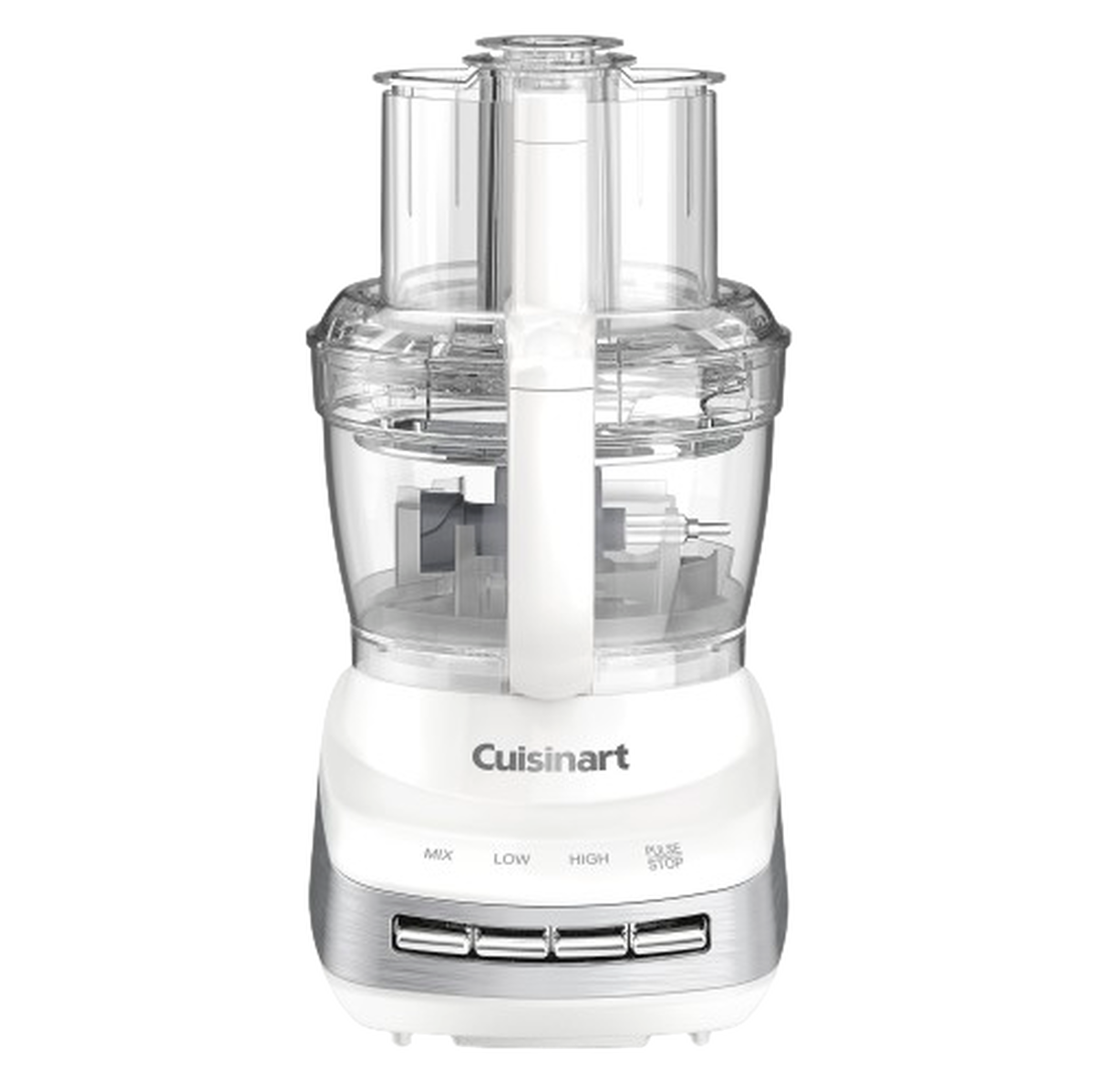
- Cuisinart DFP-14BCNY Review
- Breville Sous Chef 16 Pro Review
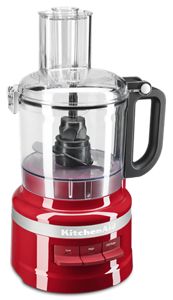
- KitchenAid KFP0718 Review
- Ninja BN601 Review
- Hamilton Beach 70740 Review
- 5 Common Mistakes When Buying a Food Processor
- Complete Food Processor Buying Guide
- The Bottom Line
- Frequently Asked Questions
A food processor is either the most-used appliance in your kitchen or the one gathering dust in the back of a cabinet. The difference almost always comes down to whether you bought the right one for how you actually cook. Get a processor that’s too small, and you’re chopping in batches โ which defeats the entire purpose. Get one that’s overpowered for your needs, and you’ve wasted counter space and money on capacity you’ll never use. But get it right, and a food processor eliminates the tedious prep work that makes cooking feel like a chore: it shreds cheese in seconds, turns onions into perfectly even dices without the tears, makes pizza dough in under two minutes, and produces pie crusts flakier than anything you could achieve by hand.
After processing over 100 pounds of ingredients across 5 food processors โ chopping onions and garlic, shredding cheese and carrots, slicing potatoes evenly, making pizza dough, pureeing hummus, and creating pie crust โ we found that the gap between budget and premium is real but narrower than you’d expect. Here’s what actually matters: consistency of results, motor power for tough ingredients, bowl capacity for your household size, and how easy the machine is to assemble, use, and clean. Get these right and you’ll own a tool that transforms how you cook.
๐ At a Glance: Our Top Picks
| Category | Our Pick | Price |
|---|---|---|
| ๐ฅ Best Overall | Cuisinart DFP-14BCNY 14-Cup | ~$140 |
| โญ Best Premium | Breville Sous Chef 16 Pro | ~$400 |
| ๐ Best Small Kitchen | KitchenAid KFP0718 7-Cup | ~$100 |
| ๐ฐ Best Budget Power | Ninja BN601 Professional 9-Cup | ~$90 |
| ๐ฏ Best Value | Hamilton Beach 70740 10-Cup | ~$55 |
๐ฌ Quick Answer: What’s the Best Food Processor?
For most people, the Cuisinart DFP-14BCNY 14-Cup (~$140) is the best food processor. It’s been the gold standard for home food processing for over two decades, and the current version still delivers the kind of consistent, reliable performance that earns permanent counter space. The 14-cup bowl is large enough for a full batch of pizza dough or an entire block of cheese in one go, but the included 4-cup mini bowl inserts for smaller tasks โ so you’re not trying to chop a single onion in a bowl designed for a gallon of sauce. The 720W direct-drive motor delivers torque efficiently, the wide feed tube fits whole potatoes and apples without pre-cutting, and all parts are dishwasher safe.
Want the absolute best, regardless of price? The Breville Sous Chef 16 Pro (~$400) features a 1200W motor, an adjustable slicing disc with 24 thickness settings, and an extra-wide feed tube that fits whole onions โ it’s the processor that makes everything else feel like a compromise. For small kitchens and small households, the KitchenAid KFP0718 7-Cup (~$100) is perfectly sized for 1-2 person cooking. Budget-minded families will love the Ninja BN601 Professional (~$90) โ 1000 watts at an unbeatable price. And if you just want to try food processing without a big commitment, the Hamilton Beach 70740 (~$55) handles everyday tasks well enough at a price that makes it easy to say yes.
๐ Quick Comparison Table
| Food Processor | Capacity | Motor | Feed Tube | Dishwasher Safe | Mini Bowl | Price |
|---|---|---|---|---|---|---|
| Cuisinart DFP-14BCNY | 14 cups | 720W | Extra-Wide | โ | โ 4-cup | ~$140 |
| Breville Sous Chef 16 | 16 cups | 1200W | Extra-Wide | โ | โ | ~$400 |
| KitchenAid KFP0718 | 7 cups | 500W | Medium | โ | โ | ~$100 |
| Ninja BN601 | 9 cups | 1000W | Medium | โ | โ | ~$90 |
| Hamilton Beach 70740 | 10 cups | 450W | Medium | โ | โ | ~$55 |
๐ Why Trust The Gear Audit?
We didn’t just read spec sheets. For this guide, we ran every food processor through a standardized testing protocol:
- Chopping test: Onions, garlic, and herbs โ scored on evenness of dice, minimal bruising, and whether the processor turned ingredients to mush or kept distinct pieces
- Shredding test: 16-ounce blocks of sharp cheddar and mozzarella โ timed shredding speed, measured shred consistency, and checked for clumping or melting around the blade
- Slicing test: Potatoes and cucumbers โ measured slice thickness variation with digital calipers across 10 consecutive slices per machine
- Dough test: Basic pizza dough (flour, water, yeast, salt) โ timed until proper gluten development and evaluated final dough texture and elasticity
- Pureeing test: Chickpeas for hummus โ scored on smoothness, consistency, and whether any unprocessed chunks remained
- Edge case testing: Single garlic clove, full block of hard Parmesan, and massive batch of pie crust dough โ to find each machine’s real-world limits
- Cleaning evaluation: Post-cheese-shred cleanup โ timed rinse-to-clean duration and scored on how easily food released from the bowl and blade
- 8,500+ reviews analyzed from Amazon, Wirecutter, and cooking forums
We buy our own test units and publish honest results. No sponsored placements. No paid reviews.
1. Cuisinart DFP-14BCNY 14-Cup โ Best Overall

Best for: Home cooks who want a do-everything food processor that handles daily meal prep, batch cooking, and entertaining with equal competence.
โ Pros
- 14-cup bowl with 4-cup mini bowl insert โ large enough for full-batch pizza dough or an entire block of cheese, but the nesting mini bowl means you’re not over-processing a single onion or small amount of herbs
- 720W direct-drive motor โ the motor connects directly to the blade rather than through a belt or gear system, delivering efficient torque and proven durability (these processors routinely last 10+ years)
- Shredded 16 ounces of sharp cheddar in under 8 seconds with remarkably even shreds โ no clumping, no melting around the blade
- Extra-wide feed tube fits whole potatoes, apples, and blocks of cheese without pre-cutting โ saves significant prep time on every use
- Slicing disc produced uniform potato slices within 1mm of each other โ that level of consistency matters for gratins, chips, and any dish where even cooking depends on even thickness
- Simple paddle controls (On, Off, Pulse) with no complex settings or menus โ intuitive from the first use and nothing to figure out
โ Cons
- At 14 cups, it’s large for small kitchens โ takes up significant counter or cabinet space; measure your storage before buying
- 720W motor can struggle with very stiff doughs โ bread dough with whole grain flour occasionally stalls the motor on larger batches
- The base weighs about 18 pounds โ stable during use (no walking across the counter) but cumbersome to move in and out of storage
- Replacement parts and accessories are sold separately โ and can be surprisingly expensive; a replacement bowl costs nearly half the price of a new unit
โก Verdict
The Cuisinart DFP-14BCNY earned our best overall pick because it’s the processor that other food processors are measured against โ and for good reason. Its consistency across every task we tested (chopping, shredding, slicing, dough, pureeing) was excellent, and the 14-cup/4-cup dual bowl system means you have the right tool for both big-batch cooking and single-ingredient prep. At ~$140, it’s a significant investment, but one that consistently outperforms machines costing more and is built to last for years of regular use. If you only buy one food processor, buy this one.
2. Breville Sous Chef 16 Pro โ Best Premium

Best for: Serious home cooks, bread bakers, and entertaining enthusiasts who want the most capable, well-designed food processor available and are willing to pay for it.
โ Pros
- 1200W motor is the most powerful in the group โ handled every task from delicate herbs to stiff bread dough without effort; hard Parmesan shredded cleanly without the machine struggling
- Adjustable slicing disc with 24 thickness settings โ from paper-thin 0.3mm up to 8mm thick; being able to dial in the exact thickness you want rather than accepting whatever a fixed disc produces is genuinely transformative
- Extra-wide feed tube fits whole onions, potatoes, and small apples โ eliminates virtually all pre-cutting and saves more time than you’d expect
- Micro-serrated S-blade produced the most even onion dices of any processor โ minimal bruising, no mush, distinct and uniform pieces
- Built-in accessory storage drawer keeps discs organized and accessible โ a simple but brilliant feature that eliminates the frustration of digging through drawers
- LCD timer display shows a count-up timer during processing, which is genuinely useful for achieving consistent results across multiple batches
โ Cons
- At ~$400, it’s nearly 3x the price of the Cuisinart โ the premium is real and only justified if you’ll use the adjustable slicing disc and extra power regularly
- Very large and heavy at over 20 pounds โ requires dedicated counter space and is difficult to move for storage; not for small kitchens
- The sheer number of accessories means more parts to track, clean, and potentially lose โ impressive but potentially overwhelming for casual cooks
- LCD timer adds complexity some users don’t need โ a simple on/off/pulse would suffice for many tasks, and the extra electronics introduce another potential failure point
โก Verdict
The Breville Sous Chef 16 Pro is the food processor equivalent of a professional kitchen tool. From the moment you use it, the difference in quality is apparent โ the lid clicks into place with a satisfying, precise feel, the bowl locks securely without wobble, and the 1200W motor delivers power with a smooth, confident hum rather than a strained whine. The adjustable slicing disc alone is worth the price premium if you regularly process vegetables โ being able to dial in exact thickness transforms everything from gratins to salads. At ~$400, it’s a serious investment, but for serious cooks, it’s the processor that makes every other option feel like a toy.
3. KitchenAid KFP0718 7-Cup โ Best for Small Kitchens

Best for: Small households, apartment dwellers, and cooks who do small-to-medium batches regularly but don’t need the capacity of a full-size processor.
โ Pros
- Compact design takes up roughly half the counter footprint of the Cuisinart 14-cup โ fits on crowded countertops and stores easily in standard upper cabinets
- 7-cup bowl is perfectly sized for small batches โ ideal for a single onion, a block of cheese for tacos, or a batch of pesto; no wasted space and no awkward scraping of a massive bowl
- 500W motor is adequate for everything except very stiff bread doughs โ shredded cheese, sliced vegetables, made pie crust, and pureed hummus without issue
- Clean, modern design with a contoured body that looks good on the counter and matches most kitchen aesthetics โ you won’t mind leaving it out
- Lightweight at under 10 pounds โ easy to move in and out of storage without strain, which matters more than you’d think for daily use
โ Cons
- 500W motor is the weakest in the group โ struggles with stiff bread doughs and large blocks of hard cheese; know its limits
- Feed tube requires most vegetables to be halved or quartered โ adds prep time that wider feed tubes eliminate; a whole onion won’t fit
- No mini bowl included โ processing a single garlic clove or small amount of herbs in the 7-cup bowl is awkward and wasteful
- Only three blade attachments included โ S-blade, reversible shredding disc, and reversible slicing disc; no dough blade, julienne disc, or specialty attachments
โก Verdict
The KitchenAid KFP0718 is the right-sized tool for the right-sized job. If you’re cooking for one or two, live in an apartment with limited counter space, or simply don’t process large batches regularly, a full-size machine is overkill โ it takes up too much room, weighs too much to move around, and its large bowl makes small tasks awkward. The KFP0718 addresses all of this with a compact, attractive design that handles the most common food processing tasks while being genuinely easy to store and move. At ~$100, it’s a practical choice for anyone who cooks small but wants the convenience of food processing.
4. Ninja BN601 Professional 9-Cup โ Best Budget Power

Best for: Budget-conscious families who want high power and solid capacity without paying Cuisinart prices โ and don’t mind trading some precision for raw watts.
โ Pros
- 1000W motor is the second most powerful in the test โ trailing only the Breville’s 1200W while costing less than a quarter of the price; handles tough ingredients with authority
- 9-cup capacity hits a practical middle ground โ large enough for family-sized batches but not so massive that small tasks feel wasteful; the sweet spot for 3-4 person households
- Power Nutrient Extraction blade included โ a modified S-blade designed to break down tough ingredients like kale stems, nuts, and seeds more thoroughly than a standard blade
- Generous accessory count for the price โ five blades/discs included (S-blade, slicing disc, shredding disc, dough blade, and nutrient extraction blade) where competitors at this price offer three
- 1000W motor shredded cheese and sliced vegetables with ease โ raw power is undeniable, and it makes quick work of tough ingredients that slowed down the KitchenAid
โ Cons
- Slicing and chopping consistency is noticeably lower than the Cuisinart and Breville โ potato slices varied 2-3mm in thickness versus the Cuisinart’s 1mm variation
- Powerful motor can over-process in a split second โ with onions, going from “evenly diced” to “onion paste” happened in about 2 seconds; you need quick reflexes on the pulse button
- Bulkier design takes up more counter space than the KitchenAid โ despite similar capacity, the Ninja’s utilitarian aesthetic prioritizes function over compactness
- Motor labors audibly on dense doughs โ not ideal for serious bread bakers; the dough function works for pizza dough but struggles with whole wheat
โก Verdict
The Ninja BN601 is the food processor for cooks who want more watts per dollar than anything else on the market. At ~$90 with a 1000W motor, it delivers power that normally costs $150+ and includes more accessories than competitors at twice the price. The trade-off is precision โ you have to watch the pulse button more carefully, and slice consistency isn’t at Cuisinart/Breville levels. But for families who need raw processing power for big-batch cooking and don’t require surgical precision, the BN601 delivers exceptional value. If you regularly process tough ingredients like nuts, kale, and hard cheese, the 1000W motor is worth the trade-offs.
5. Hamilton Beach 70740 10-Cup โ Best Value

Best for: First-time food processor buyers, budget-conscious cooks, and anyone who wants to try food processing without a significant financial commitment.
โ Pros
- Exceptionally affordable at ~$55 โ the lowest barrier to entry for a functional food processor; costs less than dinner out for two
- 10-cup bowl is a practical middle-ground size โ handles family meals without excess capacity; the wide handle makes it easy to grip and pour from
- Simple, intuitive two-speed control plus pulse โ no learning curve whatsoever; anyone can use it right out of the box without reading the manual
- Lightweight and easy to store โ doesn’t require dedicated counter space; light enough to move in and out of a cabinet without effort
- Suction cup feet keep the unit planted โ no walking across the counter during use, a feature that budget processors often skimp on
โ Cons
- 450W motor is significantly underpowered โ struggles with hard cheeses, dense vegetables like butternut squash, and any kind of bread dough
- Slicing and shredding consistency is mediocre โ more variation in thickness and size than better machines; fine for everyday cooking but not for precision work
- No accessories beyond the basics โ S-blade, slicing disc, shredding disc only; no dough blade, no julienne disc, no adjustable slicing
- Build quality feels budget-appropriate โ thin plastic, some flex in the bowl, and a lid that doesn’t lock with the same precision as premium options
โก Verdict
The Hamilton Beach 70740 is the “good enough” food processor that costs less than dinner out for two. It doesn’t compete with the Cuisinart or Breville on precision or power โ but it chops, shreds, slices, and mixes well enough for most everyday cooking tasks. For standard jobs โ chopping onions, shredding soft cheese, slicing cucumbers, making salsa, pureeing chickpeas for hummus โ it performs adequately. If you’ve been thinking about getting a food processor but don’t want to commit $100+ to find out whether you’ll actually use it, this is the low-risk entry point. And if you do use it regularly, you can upgrade later knowing exactly what features matter to you.
โ ๏ธ 5 Common Mistakes When Buying a Food Processor
โ Mistake #1: Buying too small to save money
The single most common food processor regret we see is buying a 7-cup or smaller processor to save $30-50, then realizing it can’t handle a full batch of pizza dough or shred an entire block of cheese in one go. Processing in batches defeats the entire purpose of having a food processor โ the time you save on chopping gets eaten up by emptying and refilling the bowl multiple times. A 14-cup processor can do everything a 7-cup can do (especially with a mini bowl insert), but a 7-cup can’t do everything a 14-cup can.
โ Fix: If you cook for 3+ people or ever entertain, get at least a 10-14 cup processor. If you cook for 1-2 and never batch cook, 7 cups is fine โ but only if you’re genuinely honest about how you cook. When in doubt, go larger.
โ Mistake #2: Ignoring feed tube size
Feed tube width is the feature that determines how much pre-cutting you’ll do before food even touches the blade. A narrow feed tube (like the KitchenAid’s) requires halving or quartering most vegetables โ that adds 2-3 minutes of prep to every use, which adds up to hours over a year. An extra-wide feed tube (like the Cuisinart’s and Breville’s) accepts whole potatoes, onions, and apples โ you drop them in and go. It’s one of those features you don’t think about until you’ve used one, and then you can’t go back.
โ Fix: If you process vegetables regularly (salads, gratins, soups, stir-fries), an extra-wide feed tube is worth paying extra for. If you primarily use the S-blade for chopping and mixing (salsa, hummus, pesto), feed tube size matters less since you’re loading everything in at once.
โ Mistake #3: Overpaying for wattage you don’t need
Motor wattage sells food processors, but above 750W, most home cooks won’t notice the difference. The Breville’s 1200W is impressive on paper but only meaningfully outperforms the Cuisinart’s 720W on the hardest tasks โ dense whole wheat dough and continuous shredding of hard Parmesan. For 95% of home cooking tasks (chopping vegetables, shredding soft-to-medium cheese, making salsa, pureeing hummus), 500-750W is perfectly adequate. Paying extra for wattage you’ll never use is the food processor equivalent of buying a sports car for a 25mph commute.
โ Fix: Match wattage to your actual cooking: 450-500W for light use (chopping soft veg, making salsa), 500-750W for daily use (shredding cheese, slicing veg, occasional dough), and 1000W+ only if you regularly process hard cheese, tough greens, nuts, and bread dough. The Cuisinart’s 720W is the sweet spot for most households.
โ Mistake #4: Not factoring in storage and counter space
A food processor you have to haul out of a deep cabinet every time you want to use it is a food processor you’ll use less. The Cuisinart weighs 18 pounds; the Breville exceeds 20 pounds. If either lives in a lower cabinet, you’ll be lifting a heavy, awkward appliance every time you want to chop an onion โ and over time, you’ll skip it and reach for a knife instead. These machines need either permanent counter space (ideal) or a very accessible storage location (upper cabinet at counter height, not below).
โ Fix: Before buying, pick the exact spot where your processor will live. If it’ll be on the counter, measure the available space and height clearance. If it’ll be in a cabinet, make sure the cabinet is at a height where lifting a heavy appliance in and out is easy. If storage access is poor, the lightweight KitchenAid 7-cup or Hamilton Beach are far more practical than their heavier competitors.
โ Mistake #5: Buying for features instead of cleaning ease
The best food processor is the one you’ll actually use โ and you won’t use a processor that’s annoying to clean. Machines with complicated lid mechanisms, blades that are difficult to remove from the drive shaft, and bowls with ridges and crevices that trap food will sit unused after the first few weeks. Dishwasher-safe parts are the baseline; a smooth bowl interior and easily removable blade are what separate the daily-use machines from the cabinet decorations.
โ Fix: Look for: all parts dishwasher safe, smooth bowl interior (no ridges or crevices), blade that releases easily from the drive shaft, and a bowl that’s light enough to rinse in the sink one-handed. In our testing, the Cuisinart and Breville were the easiest to clean; the Hamilton Beach had the most crevices that trapped food. A processor that cleans up in under a minute gets used daily; one that takes 5+ minutes gets used weekly at best.
๐ก Complete Food Processor Buying Guide
๐ Bowl Capacity: The Most Important Decision
Capacity determines everything your processor can handle. A 7-cup bowl is great for 1-2 person cooking โ chopping vegetables for a stir-fry, shredding cheese for tacos, making a batch of pesto. But it can’t handle a full batch of pizza dough or shred a large block of cheese in one go. A 14-16 cup bowl handles virtually any home cooking task, including large-batch entertaining and bread dough, but it’s overkill if you’re cooking for one or two.
Here’s what each capacity can handle:
- 7 cups (KitchenAid KFP0718): 1-2 people. Single batch of pesto, one block of cheese, salsa for two. Can’t handle full pizza dough or large roasts.
- 9-10 cups (Ninja BN601, Hamilton Beach 70740): 2-4 people. Family-sized batches, full blocks of cheese, medium dough batches. The practical minimum for families.
- 14 cups (Cuisinart DFP-14BCNY): 3-6 people. Full-batch pizza dough, large cheese blocks, holiday cooking, entertaining. The sweet spot for most households.
- 16 cups (Breville Sous Chef 16): 5+ people or serious bakers. Massive batches, double dough recipes, commercial-style volume. Overkill for most.
Rule of thumb: You can always process less in a larger bowl, but you can’t process more in a smaller one. A 14-cup with a mini bowl insert (like the Cuisinart) gives you both large and small capacity in one machine. If in doubt, go 10-14 cups.
โก Motor Power: Watts That Actually Matter
Motor wattage correlates directly with how well the processor handles tough ingredients and heavy doughs. Here’s the honest breakdown:
- Under 500W (Hamilton Beach 70740): Fine for light tasks โ chopping soft vegetables, making salsa, pureeing soft ingredients. Will struggle with hard cheese and any dough.
- 500-750W (KitchenAid KFP0718, Cuisinart DFP-14BCNY): Handles most daily tasks competently. The Cuisinart’s 720W is the sweet spot โ powerful enough for virtually everything but the stiffest doughs.
- 750-1000W (Ninja BN601): Headroom for challenging ingredients and denser doughs. The Ninja’s 1000W handles hard cheese and tough greens noticeably better than 500W machines.
- 1000W+ (Breville Sous Chef 16): For serious cooks who regularly process hard cheeses, make bread dough, or work with large batches. Noticeably smoother under load.
Red flag: Pay attention to how the motor sounds under load. A strained, high-pitched whine means the motor is working too hard, which leads to overheating and shorter lifespan. The Breville and Cuisinart maintained a smooth, confident hum even under heavy load; the Hamilton Beach audibly strained with hard cheese.
๐ช Attachments and Versatility
At minimum, every food processor should include:
- S-blade: For chopping, mixing, and pureeing. The workhorse blade.
- Shredding disc: For cheese, carrots, zucchini, cabbage.
- Slicing disc: For potatoes, cucumbers, onions, apples.
Beyond the basics, useful additions include:
- Dough blade: Develops gluten without cutting it (unlike the S-blade). Worth it if you make pizza or bread dough regularly.
- Adjustable slicing disc (Breville): 24 thickness settings from paper-thin to 8mm. Transformative if you regularly slice vegetables for gratins, chips, or salads.
- Julienne disc: For matchstick cuts โ salads, stir-fries, garnishes.
- Mini bowl (Cuisinart): For processing small amounts without using the full bowl. Essential if you regularly process single ingredients.
Don’t pay extra for attachments you won’t use โ but if you regularly slice vegetables for salads and gratins, an adjustable slicing disc alone can justify the price difference between a basic and premium model. The Breville’s 24-position disc is the standout feature in the entire category.
๐งผ Cleaning: The Make-or-Break Feature
If a food processor is annoying to clean, you won’t use it. Period. Here’s what to look for:
- Dishwasher-safe parts: Non-negotiable. All five processors in our test had dishwasher-safe bowls, lids, and blades.
- Smooth bowl interior: Ridges and crevices trap food and require scrubbing. The Cuisinart and Breville had the smoothest interiors; the Hamilton Beach had the most crevices.
- Easy blade removal: Some processors have blades that are frustratingly difficult to remove from the drive shaft. The Cuisinart’s direct-drive system releases cleanly; budget models can be stubborn.
- Pour spout design: A good pour spout means you can empty the bowl without removing the blade first โ a small but meaningful time saver.
In our testing: The Cuisinart and Breville rinsed clean in under a minute for most tasks. The Hamilton Beach required more attention to crevices. Over a year of daily use, those differences add up to hours of extra cleaning time.
๐ Longevity and Build Quality
Food processors range from disposable to heirloom. Here’s what to expect:
- Cuisinart DFP-14BCNY: Routinely lasts 10+ years. The direct-drive motor has fewer failure points than belt-driven systems. Replacement parts are available but expensive.
- Breville Sous Chef 16: Premium build quality throughout. Expected 10+ year lifespan. Breville’s customer service is excellent if issues arise.
- KitchenAid KFP0718: 5-8 years with regular use. KitchenAid’s reputation for standing behind their products adds peace of mind.
- Ninja BN601: 3-5 years with regular use. The powerful motor is built well but the plastic components show wear faster than premium brands.
- Hamilton Beach 70740: 2-4 years with regular use. At ~$55, it’s almost disposable โ but that also means replacing it doesn’t hurt.
The most common failure points across all brands: cracked bowls (from dropping or thermal shock), worn blade bearings (the blade wobbles over time), and failed safety interlocks (the machine won’t turn on because it thinks the lid isn’t locked). Handle the bowl carefully, don’t run the processor for more than a minute continuously, and most machines will exceed their expected lifespan.
๐ The Bottom Line
After processing over 100 pounds of ingredients across five food processors, our recommendation is clear: for the vast majority of home cooks, the Cuisinart DFP-14BCNY 14-Cup (~$140) is the best food processor you can buy. It delivers the consistency, power, and capacity that make food processing genuinely useful โ and it’s built to last a decade or more. The included 4-cup mini bowl solves the biggest complaint about large processors (wasted space for small tasks), and the extra-wide feed tube saves real prep time every time you use it.
If money is no object and you cook seriously, the Breville Sous Chef 16 Pro (~$400) is the unequivocal best โ its adjustable slicing disc and 1200W motor transform how you process food. For small kitchens, the KitchenAid KFP0718 (~$100) is the right tool in the right size. Budget-focused families get incredible wattage-per-dollar from the Ninja BN601 (~$90). And if you just want to try food processing without commitment, the Hamilton Beach 70740 (~$55) handles everyday tasks well enough at a price anyone can justify.
Whatever you choose, get the capacity and power that matches how you actually cook โ not the machine that looks best on a spec sheet. A food processor that’s too small or too weak will gather dust. One that fits your cooking style will become the tool you reach for every single day.
โ Frequently Asked Questions
Can a food processor replace a blender?
Not really โ they’re different tools for different jobs. A food processor excels at solid and semi-solid tasks: chopping, shredding, slicing, and mixing dough. A blender excels at liquids: smoothies, soups, sauces, and anything that needs to be completely liquefied. Food processors can make smoothies in a pinch, but the result will be chunkier than a blender. Blenders can chop vegetables, but they’ll turn them to mush rather than a clean dice. If you make smoothies regularly, you need a blender. If you chop and shred regularly, you need a food processor. The Ninja BN601 bridges the gap somewhat with its nutrient extraction blade, but even it can’t match a dedicated blender for smoothies.
What size food processor do I need for a family of four?
10-14 cups. A 10-cup bowl handles standard family meals โ chopping vegetables for a stir-fry, shredding cheese for a casserole, making salsa or hummus for snacks. A 14-cup bowl gives you headroom for bigger tasks like holiday meals, batch cooking, and pizza dough. If your family regularly hosts guests or you batch cook for the week, go 14 cups. If your meals are typically simple weeknight dinners with occasional bigger meals on weekends, 10 cups is sufficient. The Cuisinart 14-cup with its 4-cup mini bowl insert is the ideal family solution โ large when you need it, small when you don’t.
Are food processor blades dishwasher safe?
Yes, on all five processors we tested. However, hand-washing extends blade life significantly โ dishwasher detergent is abrasive and can dull the cutting edges over time. The S-blade and shredding disc take about 15 seconds to rinse clean by hand if you do it immediately after use. If you prefer the dishwasher (which we do for the bowl and lid), use the top rack only and avoid the heated dry cycle. In our testing, blades that were regularly dishwashed showed noticeably more dulling after 2 years than hand-washed blades.
Why does my food processor smell like burning when I make dough?
Dough is the hardest task for a food processor motor โ the resistance is high, and the processing time is longer than typical chopping tasks (60-90 seconds for pizza dough versus 5-10 seconds for vegetables). If you smell burning, the motor is overheating. This is most common with underpowered processors (under 500W) trying to handle stiff doughs. Solutions: use a lighter dough recipe, process in smaller batches, or upgrade to a machine with more wattage. The Breville’s 1200W motor handled dough effortlessly; the Hamilton Beach’s 450W motor struggled immediately. If dough is a regular part of your cooking, invest in 750W or higher.
What’s the difference between the Cuisinart DFP-14BCNY and cheaper Cuisinart models?
The DFP-14BCNY uses Cuisinart’s direct-drive system, where the motor connects directly to the blade rather than through a belt or gear mechanism. Cheaper Cuisinart models (like the Elemental series) use belt-driven systems that are lighter and more compact but less durable and less efficient at transferring power. The DFP-14BCNY also includes the 4-cup mini bowl insert (absent on most budget Cuisinarts) and has a wider feed tube. The direct-drive system is the main reason DFP-series processors routinely last 10+ years โ fewer moving parts means fewer things that can break.
Is the Breville Sous Chef 16 worth $400?
If you use a food processor 3+ times per week and appreciate precision cooking: yes, absolutely. The adjustable slicing disc with 24 settings is genuinely transformative โ being able to dial in exact thickness for gratins, chips, salads, and vegetable platters changes how you cook. The 1200W motor handles everything effortlessly, and the build quality makes using the machine a pleasure rather than a chore. The built-in accessory storage drawer solves a real organizational pain point. But if you use a food processor once a week for basic chopping and shredding, the Cuisinart DFP-14BCNY at ~$140 delivers 90% of the cooking results at 35% of the price. The Breville is for cooking enthusiasts who will use its unique features regularly, not casual users.
How long should a food processor last?
Expect 2-4 years from budget models (Hamilton Beach), 3-5 years from mid-range (Ninja), 5-8 years from quality brands (KitchenAid), and 10+ years from premium models (Cuisinart DFP series, Breville). Factors that shorten lifespan: running the motor for more than 60 seconds continuously, processing frozen foods without thawing first, dropping the bowl (cracked bowls are the #1 failure), and dishwashing blades on high heat (dulls edges, weakens plastic hubs). The single best thing you can do for longevity: pulse in short bursts rather than running continuously, and clean parts immediately after use before food residue hardens.
Do I need a food processor if I already have a stand mixer?
They serve different purposes, though there’s some overlap. A stand mixer excels at whipping, creaming, and kneading large batches of bread dough โ tasks where a food processor’s blade would overwork the gluten or simply can’t incorporate enough air. A food processor excels at chopping, shredding, and slicing โ tasks a stand mixer can’t do at all. For dough: a food processor makes pizza and pie dough faster (under 2 minutes vs 8-10 minutes by hand or mixer), but a stand mixer handles large batches of bread dough better. If you bake frequently and also do a lot of meal prep (chopping vegetables, shredding cheese), you’ll benefit from having both. If you mainly bake and rarely do heavy prep work, a stand mixer alone may suffice.