Best Baby Carriers 2026: Five Fits from Newborn Wrap to Toddler Carrier
Quick answer
For one adaptable buckle carrier, begin with Ergobaby Omni Deluxe Mesh. Choose BabyBjörn Harmony for its softer padded construction, LÍLLÉbaby Complete All Seasons for its convertible seat and zip panel, Tula Explore for a simpler three-mode buckle layout, or Boba Classic Wrap for a soft early-months carry. The best fit depends on the baby’s size, caregiver’s body and exact carry position; keep the face visible and airway clear in every model.
Compare the five carrier styles
| Carrier | Maker range | Primary reason | Main tradeoff |
|---|---|---|---|
| Ergobaby Omni Deluxe Mesh | 7–45 lb | Ventilated all-position buckle carrier | Several buckles and seat settings take practice to fit correctly |
| BabyBjörn Harmony | 7–40 lb; 21–39 in | Soft structured carrier with back support | 40-lb upper limit is lower than three 45-lb structured picks |
| LÍLLÉbaby Complete 6-in-1 All Seasons | 7–45 lb | Convertible seat and zip-down mesh panel | More carry configurations mean more manual-specific setup to learn |
| Tula Explore | 7–45 lb | Three-mode newborn-to-toddler buckle carrier | No hip-carry position listed for the Explore |
| Boba Classic Baby Wrap | 7–35 lb; maker says best to about 20 lb | Soft tie-on wrap for early months | Tying roughly 5.5 yards of fabric takes practice and can drag on the ground |
Our recommendation
Choose a carrier for the carry positions you will use in the next six months, rather than for its largest printed weight ceiling. Omni Deluxe Mesh covers four modes with mesh and a structured waist. Tula Explore reduces the mode set to three. LÍLLÉbaby All Seasons adds narrow/wide seat changes and a zip panel. Harmony suits a wearer who likes more padded support. The Boba Classic wrap makes most sense for a newborn and a caregiver happy to tie it; Boba itself says it works best below about 20 lb.
Ergobaby Omni Deluxe Mesh: Ventilated all-position buckle carrier

Best for: Caregivers who want a mesh structured carrier with inward, outward, hip and back modes.
Pros
- Maker lists four carry modes and an adjustable newborn-to-toddler seat
- Mesh body and ventilated padded waistband aim to improve airflow and weight distribution
- Machine washable with a small storage pouch
Cons and trade-offs
- Several buckles and seat settings take practice to fit correctly
- Padded waist and shoulder structure makes it bulkier to pack than a wrap
- Facing out and back modes have later developmental prerequisites
Our recommendation
Omni Deluxe Mesh is the current four-position mesh version, not the older Omni Breeze, Omni Classic or cotton/linen Deluxe variants. Ergobaby lists a 7–45-lb range, but newborn fit needs the exact seat and head support adjustments. Outward facing is for a child with adequate head and neck control, and hip/back carry come later as directed in its manual. The Deluxe mesh can improve airflow yet will not remove the need to watch the infant’s airway and temperature.
Choose another if: You want a simpler single-mode newborn carrier or dislike a wide padded waistband.
Search Amazon US for Ergobaby Omni Deluxe Mesh (check the exact model and fabric).
BabyBjörn Harmony: Soft structured carrier with back support
)
Best for: A family that values a soft padded fit and wants front and eventual back carrying.
Pros
- Four maker-listed positions including newborn, inward, outward and back
- Adjustable head support and pressure-relieving waist belt
- US product page gives both weight and height limits
Cons and trade-offs
- 40-lb upper limit is lower than three 45-lb structured picks
- The head and leg settings must be changed as the child grows
- Outward and back carries require age/developmental readiness
Our recommendation
Harmony’s current US listing gives a 7–40-lb, 21–39-inch use range. Its newborn position is a separate adjustment, and the maker recommends waiting until head control before facing outward. Its soft padded straps and back support are plausible comfort reasons to try it, not a guarantee of comfort for every body; try a fit session if possible.
Choose another if: You want a less padded, smaller-folding carrier or a 45-lb listed ceiling.
LÍLLÉbaby Complete 6-in-1 All Seasons: Convertible seat and zip-down mesh panel
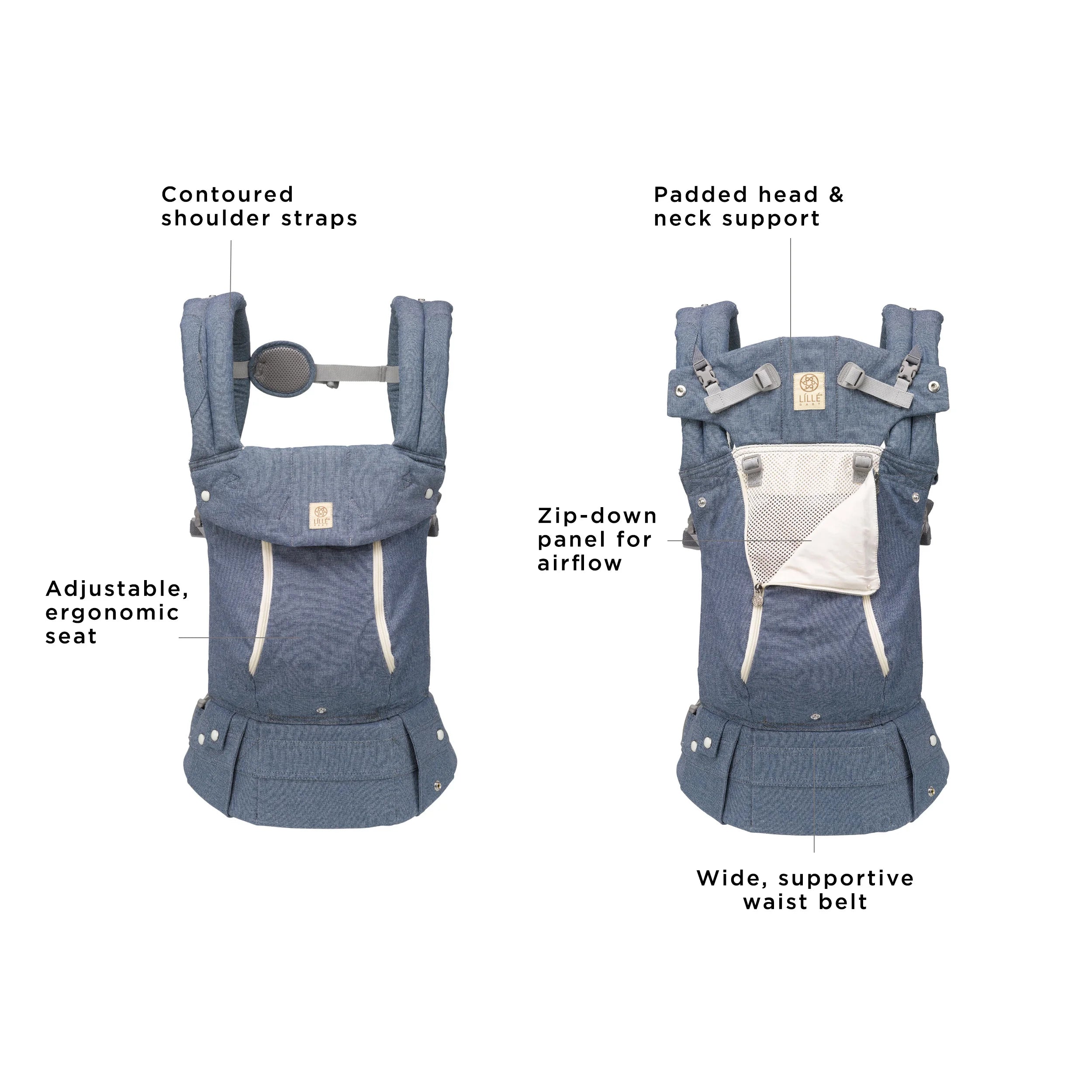
Best for: Caregivers who will use different inward, outward, hip and back configurations over time.
Pros
- Six maker-described configurations including narrow and wide seat settings
- Zip-down mesh front panel can expose more ventilation
- Padded waist with lumbar pad and storage pocket
Cons and trade-offs
- More carry configurations mean more manual-specific setup to learn
- Cotton body and lumbar pad pack less compactly than a stretchy wrap
- Zip panel changes ventilation but does not make warm-weather carrying heat-free
Our recommendation
The Complete All Seasons is the specific six-configuration model with a zip-down front panel; it is not the separate Complete Airflow line. The narrow newborn seat and wider later seat require different positioning. Treat its six modes as a menu of age-appropriate positions, not six safe choices for a newborn.
Choose another if: You want the quickest buckle setup or the smallest packed size.
Search Amazon US for LÍLLÉbaby Complete 6-in-1 All Seasons (check the exact model and fabric).
Tula Explore: Three-mode newborn-to-toddler buckle carrier
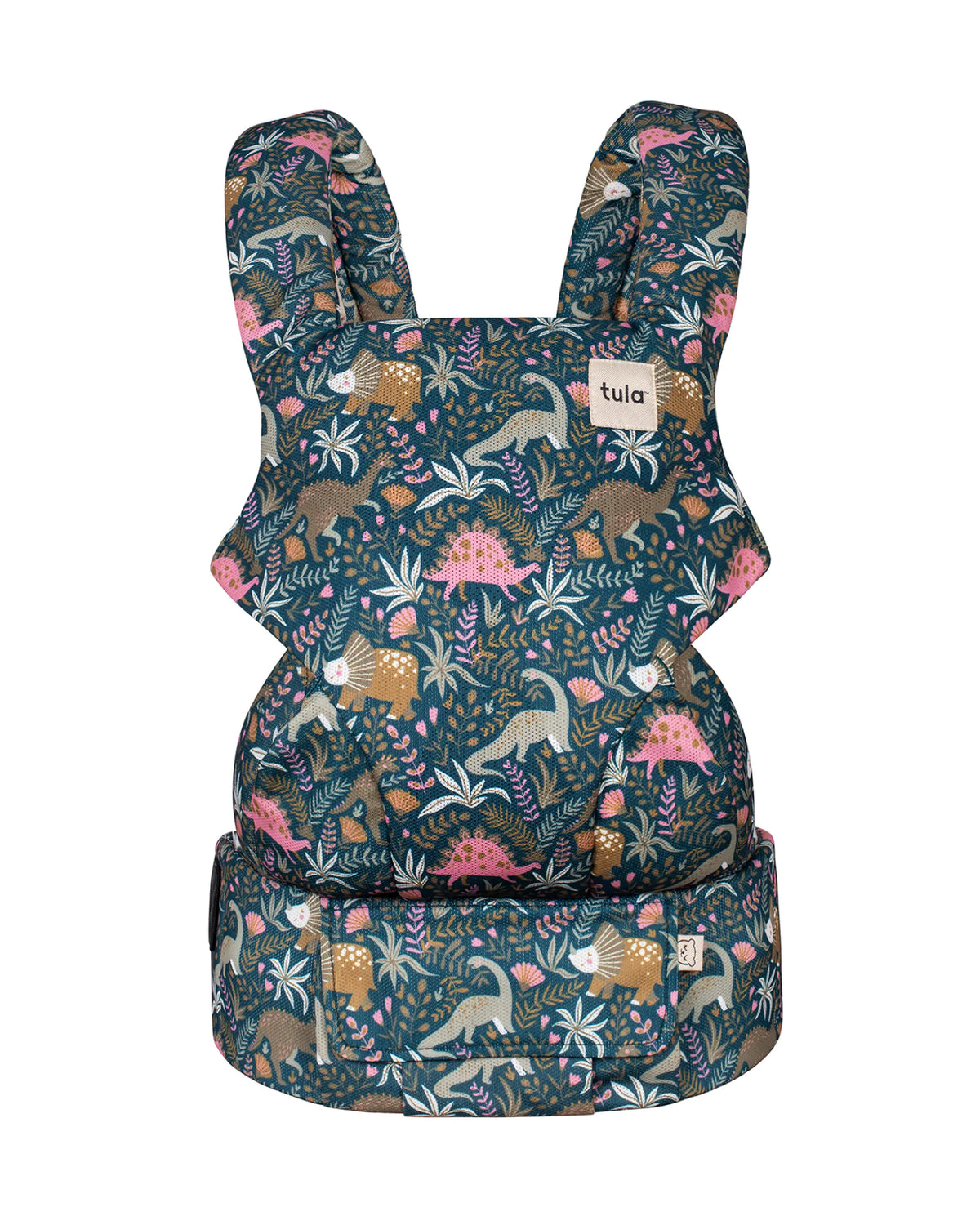
Best for: A family wanting front inward, outward and back carry with a simpler mode set.
Pros
- Three maker-listed positions without a separate infant insert
- Adjustable seat and padded shoulder and waist straps
- Large phone pocket and head-support pillow
Cons and trade-offs
- No hip-carry position listed for the Explore
- Bulkier than a wrap for a diaper bag
- Outward and back modes are for later development, not immediate newborn use
Our recommendation
Tula Explore supports front inward, outward and back carrying. The selected Land Before Tula mesh print shows the current Explore design; plain cotton and other prints may feel different. Tula’s 7–45-lb range is a boundary, not proof that every child fits comfortably at both ends, so adjust the seat width and head support under the instructions.
Choose another if: You specifically need hip carry or a zip-down ventilation panel.
Boba Classic Baby Wrap: Soft tie-on wrap for early months
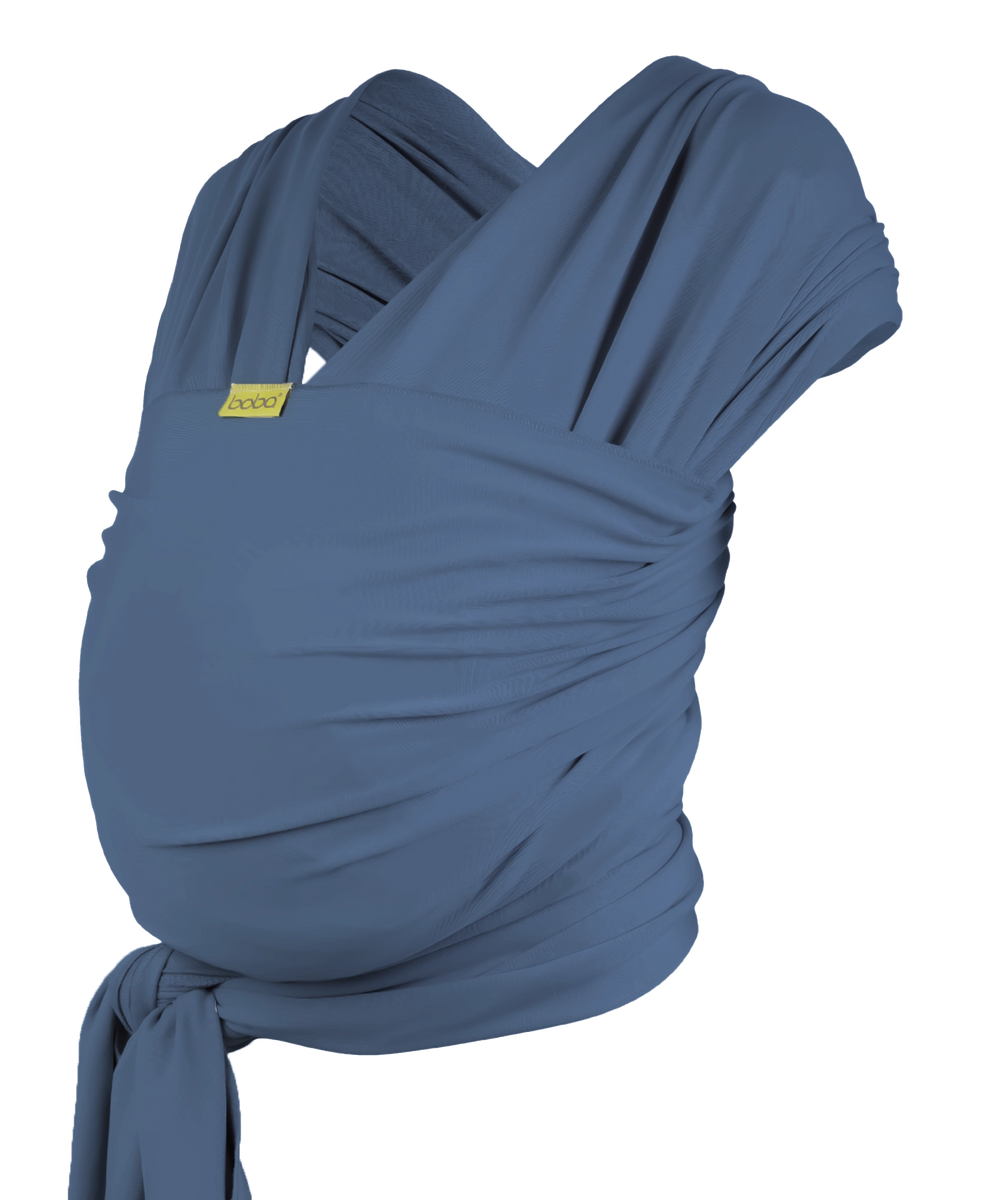
Best for: A newborn caregiver who prefers a soft, close-fitting fabric carry and is willing to practice tying.
Pros
- Long stretchy fabric adapts across caregiver sizes
- Maker specifies 95% cotton French Terry blend and machine washing
- Packs more compactly than padded structured carriers
Cons and trade-offs
- Tying roughly 5.5 yards of fabric takes practice and can drag on the ground
- Thicker Classic knit may feel warm compared with a mesh carrier
- Maker says best to about 20 lb despite a 35-lb listed upper limit
Our recommendation
The Boba Classic is a stretchy wrap, not the buckle-based Boba Bliss or structured Boba X. Its 35-lb formal upper limit should not obscure Boba’s own note that it works best up to about 20 lb. A snug tie and visible, clear airway matter more than a weight number. Learn the correct wrap and regularly recheck infant position, especially under four months.
Choose another if: You need fast on-off buckles, back carry, or firmer support at higher child weight.
Baby-carrier buying guide
For vehicle travel, choose an appropriate restraint from our car-seat guide; a wearable carrier is not a car seat. Our stroller guide covers wheeled alternatives when longer walks or storage matter more than hands-free carry.
Start with airway and fit
The American Academy of Pediatrics advises keeping the infant’s face visible, nose and mouth free, and chin away from the chest. Check often. Premature infants and babies with respiratory problems need clinician advice before upright carrying; children under four months deserve particular caution in soft wraps and slings. A carrier is not a sleep space. If a baby falls asleep in one, supervise closely and move them to a firm, flat sleep surface when practical.
Use the right position at the right stage
Newborn-facing-in settings differ from later outward, hip and back modes. Follow the exact manual’s height, weight and developmental criteria; outward-facing generally waits for head and neck control. A listed maximum weight does not mean every mode remains appropriate until that maximum. After adjustment, check that fabric supports the child’s back and thighs without forcing an uncomfortable leg position.
Fit the adult too
Try the waist belt at its designated height, tighten shoulder straps evenly and check whether the infant stays high enough to see and kiss. If the caregiver has back or shoulder discomfort, change adjustment or carrier style instead of treating a lumbar pad as a medical solution. Practice putting on and taking off the carrier over a safe surface before an outing.
Choose fabric for the actual climate
Mesh panels can help airflow, while thick cotton wraps can feel warmer and take longer to tie. Neither makes overheating impossible. Dress the child for the weather, check the back of the neck and follow the maker’s washing instructions. Inspect seams, buckles and fabric before each use, and check the exact model and production label for any safety notice.
Frequently asked questions
Can I carry a newborn facing outward?
No, not until the exact carrier manual allows it and the child has sufficient head and neck control. Start with the instructed newborn inward position.
Is a baby carrier safe for sleeping?
A carrier is not a designated sleep surface. Watch the baby’s face and airway during carrying; follow AAP safe-sleep guidance for routine sleep.
Is a 45-lb carrier comfortable to 45 lb?
The printed range is a maker limit, not a comfort promise. Fit depends on the child and caregiver; a wrap can become less supportive well before its maximum.
How do I keep the airway clear?
Keep the face visible, chin off the chest and nose and mouth clear of fabric and the wearer. Check frequently, especially for very young infants.
Should I buy based on “hip healthy” certification?
Use it as one design signal, not a substitute for correct sizing and positioning. Follow the model manual and seek a fit consultation if unsure.
Research method and primary sources
We compared current maker pages and instructions for the exact carrier families and used AAP and CPSC guidance for infant airway and fall risks. We have no original wearer fit, comfort, temperature or hands-on testing records; listed ranges and feature descriptions are manufacturer information, while the use-case recommendations are editorial judgment.
Primary sources: Ergobaby Omni Deluxe Mesh maker page; BabyBjörn Harmony maker page; LÍLLÉbaby Complete 6-in-1 All Seasons maker page; Tula Explore maker page; Boba Classic Baby Wrap maker page; AAP baby-carrier safety; CPSC sling-carrier guidance; AAP safe sleep. Our methodology.
Affiliate disclosure
As an Amazon Associate, The Gear Audit earns from qualifying purchases. We may earn an affiliate commission when you buy through our links, at no extra cost to you. Full affiliate disclosure.