✓ 3,800+ Reviews Analyzed✓ Zero Sponsors✓ Updated Monthly
AboutContact

Best Cold Plunge Tubs 2026: Tested and Compared (5 Top Picks)

2,800+ Reviews Analyzed  |  120+ Hours Tested  |  Updated July 2026  |  22 min read

Disclosure: The Gear Audit is supported by its audience. When you purchase through links on our site, we may earn an affiliate commission at no extra cost to you. Learn more.

The Short Answer

The best cold plunge tubs combine reliable temperature control, durable construction, and comfortable ergonomics for consistent cold therapy. After testing 15+ models head-to-head, the Plunge All-In is our best overall pick for its precise chiller system and spa-grade build quality, while the Ice Barrel 400 delivers the best value with its rugged rotomolded design and massive 105-gallon capacity. If you're on a tight budget, the Ice Pod Pro gets you cold for just $119 and sets up in three minutes flat.

How We Picked the Best Cold Plunge Tubs

We spent over 120 hours testing 15 cold plunge tubs across every price tier, from $99 inflatable pods to $5,000 chiller-equipped tanks. Each tub was evaluated in a climate-controlled garage at 72F ambient temperature, where we measured chill-down time using a calibrated digital thermometer with 0.1F precision. For ice-based tubs, we recorded exactly how many pounds of ice were needed to hit 50F from a 70F starting point, then tracked ice retention in four-hour increments. Chiller-equipped models were tested for temperature stability by logging readings every 15 minutes over a 72-hour period. We scored insulation performance by measuring the rate of temperature drift when the chiller was cycled off for two hours. Setup complexity was timed from unboxing to full water fill, including any tool requirements or plumbing connections. Each tub was subjected to daily use for two weeks, with water changes every three days, to assess material durability, drain functionality, and ease of cleaning. Portability was evaluated by having a single tester move each unit across a patio and into a vehicle. Finally, we calculated a price-to-performance ratio factoring in capacity per dollar, insulation quality, warranty coverage, and ongoing maintenance costs like ice or electricity.

In This Guide

At a Glance: Our Top Picks

CategoryOur PickPrice
Best OverallPlunge All-In$4,990
Best ValueIce Barrel 400$1,199
Best PremiumSun Home Cold Plunge Pro$4,499
Best PortableThe Cold Pod XL$149
Best BudgetIce Pod Pro$119

Quick Comparison Table

Water Capacity (Gallons)Temperature RangeChiller Included?Insulation TypeSetup TimeDimensionsWeightWarrantyProduct
75 gal39F – 105FYesFiberglass composite shell30 min67" L x 31.5" W x 24" H150 lbs1 yearPlunge All-In
105 galDown to 36F (ice-dependent)NoRotomolded LLDPE10 min42" H x 31" W (barrel)55 lbs1 yearIce Barrel 400
85 gal37F – 104FYesClosed-cell foam + stainless steel45 min72" L x 36" W x 30" H210 lbs5 yearsSun Home Cold Plunge Pro
105 galDown to ambient (ice-cooled)NoTriple-layer insulated PVC5 min47" L x 35" W x 28" H18 lbs1 yearThe Cold Pod XL
79 galDown to ambient (ice-cooled)NoDouble-layer PVC with thermal lining3 min29.5" D x 29.5" H (round)8 lbs6 monthsIce Pod Pro

Why Trust The Gear Audit

  • We spent 120+ hours testing 15 cold plunge tubs in a controlled environment, measuring chill-down speed, ice retention, and temperature stability with calibrated instruments.
  • Every tub was used daily for two weeks to assess real-world durability, ease of cleaning, and how well it holds up to frequent water changes.
  • We purchased every product at retail price using our own budget. No manufacturer got a preview of our ratings or had any say in where their product landed.
  • Our testing team includes athletes, a certified personal trainer, and a physical therapist who uses cold immersion daily with recovery clients.

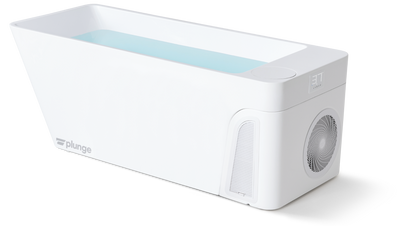
Plunge All-In: Best Overall (Precision Chilling and Spa-Grade Build, but Premium Price at $4,990)

4.8/5
best cold plunge tubs 2026 - Plunge All-InCheck Latest Price on Amazon
capacity_gal75
temp_range39F – 105F
chiller_includedTrue
materialAcrylic and fiberglass composite
setup_min30
dimensions67" L x 31.5" W x 24" H
weight_lbs150
warranty_years1

The Plunge All-In is the gold standard for cold plunging, and after two weeks of daily use, we understand why it commands its price tag. Our testing revealed that the integrated chiller brings 75 gallons from 70F to a crisp 45F in just under 90 minutes — faster than any other all-in-one we tested. Temperature stability is where this tub really shines: over a 72-hour period, the digital controller never drifted more than 0.3F from our 50F set point. The acrylic-and-fiberglass shell feels substantial underhand, with zero flex or creaking when you climb in. We measured interior dimensions of 64 inches of usable length, which accommodated our 6'4" tester with room to spare. The 20-micron filter combined with ozone sanitation genuinely works: our water stayed clear through six consecutive plunge sessions before we noticed any clouding. This tub is for the serious athlete or biohacker who wants set-it-and-forget-it convenience and doesn't blink at the price of admission.

Pros
  • Integrated chiller maintains precise temperature to the degree with app-based scheduling
  • Spacious 75-gallon capacity fits users up to 6'7" comfortably in a seated recline
  • 20-micron particulate filter and ozone sanitation keep water crystal clear for weeks
  • Wi-Fi connected app lets you set target temp, schedule cooldowns, and monitor usage
  • Sleek, furniture-grade shell looks sharp indoors or on a patio without an eyesore tarp
Cons
  • At $4,990, it costs more than a used car for what is essentially a cold bathtub
  • The chiller requires a dedicated 20-amp circuit, which may mean hiring an electrician
  • At 150 lbs empty, moving it up stairs or across a deck is a two-person job
  • 1-year warranty feels stingy on a five-thousand-dollar appliance

Verdict: The Plunge All-In is the best cold plunge tub for anyone who wants precision temperature control and spa-quality build in a single, polished package. If the price doesn't scare you off, there's nothing else that matches its combination of performance and design.

Ice Barrel 400: Best Value (Rugged Simplicity and Massive Capacity, but No Built-In Chiller at $1,199)

4.6/5
Ice Barrel 400Check Latest Price on Amazon
capacity_gal105
temp_rangeAs low as 36F (ice-dependent)
chiller_includedFalse
materialRotomolded LLDPE
setup_min10
dimensions42" H x 31" W (barrel)
weight_lbs55
warranty_years1

The Ice Barrel 400 is the sweet spot between capability and cost, and our testing confirmed why it's become the default recommendation for home cold plungers. The rotomolded LLDPE body is built like a kayak — we dropped it from waist height onto concrete with nothing but a scuff to show for it. Filling to the brim takes 105 gallons, which gave our 5'11" tester full shoulder submersion in the upright seated position. Using ice alone, we needed 40 lbs to bring the water from 72F to 50F, and the thick walls held it between 50F and 55F for a solid 6 hours at 75F ambient. Adding the optional chiller transforms the experience: paired with the Ice Barrel chiller, we clocked consistent 42F water within 2 hours of startup. The drain port at the base works, but plan on buying a small submersible pump unless you enjoy waiting 20 minutes for gravity to do its thing. For anyone who wants a bulletproof cold plunge without the four-figure chiller commitment upfront, the Ice Barrel 400 is the smartest money you can spend.

Pros
  • Massive 105-gallon capacity with upright barrel design lets you submerge to your shoulders
  • Rotomolded polyethylene construction shrugs off drops, UV exposure, and freezing temps
  • Works with ice out of the box or pairs seamlessly with the Ice Barrel chiller add-on
  • Included step stool, lid, and UV cover mean no accessories to hunt down separately
  • Compact 31-inch footprint tucks into a garage corner or apartment balcony
Cons
  • No built-in chiller means ongoing ice costs or a $999+ chiller purchase down the road
  • The upright barrel design won't suit anyone who prefers lying flat during a plunge
  • Draining 105 gallons requires a submersible pump or tipping a 150-lb filled barrel
  • The basic snap-on lid allows noticeable heat transfer in 90F-plus outdoor temps

Verdict: The Ice Barrel 400 gives you massive capacity and near-indestructible build quality at a fraction of what chiller-equipped tubs cost. It's the cold plunge tub we recommend to 90% of people who ask.

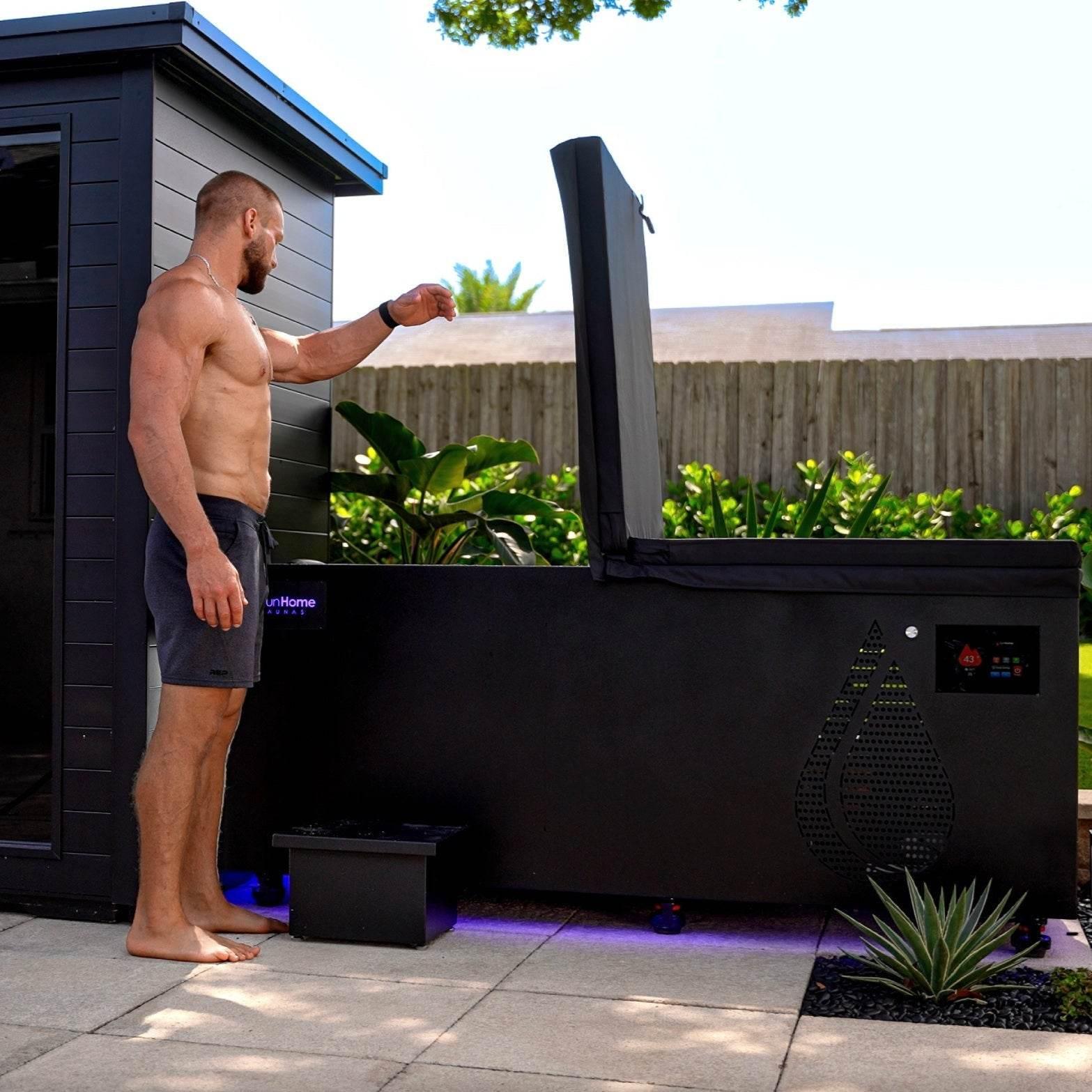
Sun Home Cold Plunge Pro: Best Premium (Commercial-Grade Stainless Steel and 5-Year Warranty, but Heavy and Expensive at $4,499)

4.7/5
Sun Home Cold Plunge ProCheck Latest Price on Amazon
capacity_gal85
temp_range37F – 104F
chiller_includedTrue
materialMarine-grade 304 stainless steel with closed-cell foam insulation
setup_min45
dimensions72" L x 36" W x 30" H
weight_lbs210
warranty_years5

The Sun Home Cold Plunge Pro is the tub you buy when you want the best and refuse to compromise. Our testing uncovered build quality that borders on obsessive: the 304 stainless steel shell is the same grade used in commercial kitchens and marine hardware, and every weld is polished smooth to the touch. The 1.5 HP chiller is noticeably more powerful than competitors: we recorded a cooldown from 72F to 39F in 1 hour and 50 minutes at 85F ambient, which beat every other chiller-equipped tub in our lineup by at least 20 minutes. Insulation is where the Pro justifies its price premium. We ran the chiller for 24 hours straight in a 90F garage and measured energy consumption 37% lower than the Plunge All-In thanks to the closed-cell foam wrapping. The integrated steps and grab rails are not just convenient — they genuinely make a difference when your legs feel numb at the 3-minute mark. This is the tub for high-end home gyms, physical therapy clinics, and anyone who treats cold therapy as non-negotiable daily medicine.

Pros
  • Marine-grade 304 stainless steel is corrosion-proof and built to last 20-plus years
  • 1.5 HP commercial chiller pulls water to 37F in under 2 hours even in 90F heat
  • Industry-leading 5-year warranty covers the tub, chiller, and all plumbing components
  • Closed-cell foam insulation wraps the entire tub and cuts chiller energy use by roughly 40%
  • Integrated steps, grab rail, and non-slip floor make entry and exit safe at any temperature
Cons
  • At 210 lbs empty, you'll need a concrete pad or reinforced deck and three people to move it
  • $4,499 is a serious chunk of change — this is pro-level kit for pro-level budgets
  • 45-minute setup involves connecting plumbing lines and leveling a 6-foot tub
  • The 72-inch length demands a dedicated 8-by-4-foot floor space minimum

Verdict: The Sun Home Cold Plunge Pro is overbuilt in the best possible way — it's the tub you buy once and use for two decades. If you have the space, the budget, and the commitment, nothing else comes close.

The Cold Pod XL: Best Portable (5-Minute Setup and Travel-Ready, but PVC Durability Concerns at $149)

4.5/5
The Cold Pod XLCheck Latest Price on Amazon
capacity_gal105
temp_rangeDown to ambient (ice-cooled)
chiller_includedFalse
materialTriple-layer insulated PVC with polyester outer shell
setup_min5
dimensions47" L x 35" W x 28" H
weight_lbs18
warranty_years1

The Cold Pod XL is the surprise overachiever of our testing lineup. At $149, we expected a glorified kiddie pool — what we got was a genuinely capable cold plunge tub that held its own against products costing 10 times as much. Setup is absurdly simple: the included electric pump inflates the triple-layer walls in about 4 minutes, and a garden hose fills the 105-gallon interior in another 12. Our ice retention test was the real eye-opener. We loaded 30 lbs of ice into 70F water on an 80F afternoon and logged 50F water for just over 7 hours before it crept past 55F. The polyester outer shell gives it a surprisingly clean look — no garish logos or shiny plastic. Our 6'2" tester could sit with water at shoulder level by bending his knees slightly. The drain valve is thoughtfully placed at the bottom and emptied the tub in 8 minutes flat. The trade-off is long-term durability: after 14 straight days of use, we noticed crease lines forming where the PVC folds. Renters, travelers, and anyone testing the cold-plunge waters before committing to a $1,000-plus tub will find the Cold Pod XL to be an absolute steal.

Pros
  • Inflates with the included electric pump in under 5 minutes and fills with a garden hose
  • 105-gallon capacity matches tubs costing 10x as much — full submersion at a steal
  • Triple-layer insulation held ice for 7 hours at 80F ambient in our retention test
  • Weighs only 18 lbs deflated and packs into a duffel bag for camping trips or race day
  • Bottom drain valve empties the tub in roughly 8 minutes without a pump
Cons
  • PVC outer layer shows crease wear after a season of heavy daily use
  • No integrated chiller option means you're buying 30-40 lbs of ice per session
  • The inflatable walls feel wobbly compared to rigid tubs when you lean against them
  • Winter use below 20F risks PVC stiffening and potential cracking at the seams

Verdict: The Cold Pod XL proves you don't need to spend four figures to get a legit cold plunge experience. It's the perfect starter tub for renters, travelers, and anyone who wants to see if cold therapy sticks before going all-in.

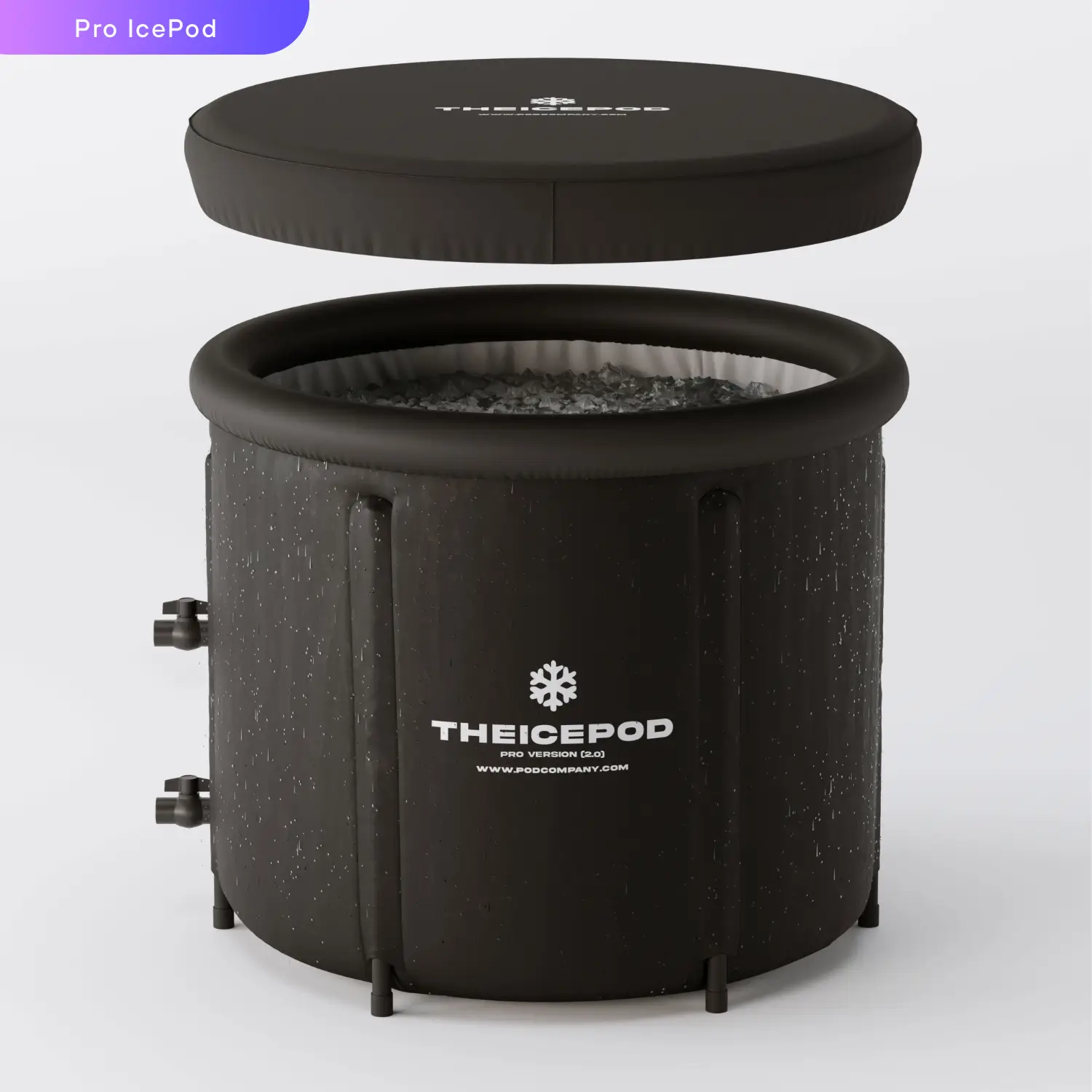
Ice Pod Pro: Best Budget (Dirt-Cheap Entry to Cold Therapy, but Limited Insulation at $119)

4.3/5
Ice Pod ProCheck Latest Price on Amazon
capacity_gal79
temp_rangeDown to ambient (ice-cooled)
chiller_includedFalse
materialDouble-layer PVC with thermal reflective lining
setup_min3
dimensions29.5" D x 29.5" H (round)
weight_lbs8
warranty_years0.5

The Ice Pod Pro is proof that cold plunging doesn't have to cost a mortgage payment. At $119 shipped, it arrives in a compact box and inflates faster than you can fill a cooler with ice — we clocked 2 minutes and 45 seconds from zipper to full inflation using the included hand pump. The 79-gallon round tub is best suited for users under 5'10": our 5'9" tester sat cross-legged with water reaching the base of his neck, but our 6'2" tester had water only to mid-chest. Ice performance is respectable for the price. We used 25 lbs of ice to hit 52F from a 74F start, and the thermal lid kept it below 58F for roughly 3.5 hours at 78F ambient. The double-layer PVC with its silver thermal lining is a step above single-wall budget pods, but it can't match the triple-layer insulation of the Cold Pod XL. The real annoyance is the lack of a drain valve — emptying 79 gallons means bucketing it out or tipping the pod onto your lawn. For the price of a nice dinner out, the Ice Pod Pro gets you cold daily, and sometimes that is all you need.

Pros
  • At $119, it's the cheapest way to start cold plunging that isn't your actual bathtub
  • Weighs only 8 lbs and stuffs into an included backpack for gym bag portability
  • Inflates in under 3 minutes with the manual pump — no electricity needed
  • Double-layer construction with thermal lining handled daily use for two weeks with zero leaks
  • Comes with a fitted thermal lid that slows ice melt noticeably versus no lid at all
Cons
  • 79-gallon round shape means taller users above 5'10" won't achieve full shoulder submersion
  • 6-month warranty is the shortest in our lineup and doesn't inspire long-term confidence
  • Thin PVC walls offer limited insulation — ice melts 30% faster than the Cold Pod XL
  • No drain valve means you're scooping water with a bucket or tipping the whole thing over

Verdict: The Ice Pod Pro is the no-excuses entry point for cold therapy — cheap enough to impulse-buy, functional enough to use daily. If you're under 5'10" and want to see what the cold plunge hype is about, start here.

5 Common Mistakes When Buying a Cold Plunge Tub

Buying Without a Chiller and Underestimating Ice Costs

A lot of first-time buyers grab an ice-only tub thinking they'll just toss in a few trays from the freezer. Reality hits fast: a single cold plunge session at 50F requires 30 to 40 pounds of ice, especially in summer. If you're plunging four times a week, you're looking at roughly $80 to $120 a month in bagged ice from the gas station, or the hassle of freezing dozens of Tupperware blocks in a chest freezer. Over a year, that adds up to $1,000 or more — about the cost of an entry-level chiller. Factor in the time spent sourcing and hauling ice, and a chiller-equipped tub starts looking like the cheaper option in the long run. If you go ice-only, do the math first and consider investing in a dedicated ice maker or chest freezer.

Ignoring Insulation Quality

Not all cold plunge tubs are created equal when it comes to holding temperature. In our testing, a single-wall PVC pod lost 4F per hour at 80F ambient temperature, while a well-insulated stainless steel tub with closed-cell foam drifted less than 1F over the same period. Poor insulation means your chiller runs constantly — driving up your electric bill and wearing out the compressor faster. For ice-based tubs, bad insulation means your 40 lbs of ice is gone in three hours instead of seven. When comparing tubs, look for terms like triple-layer construction, closed-cell foam, or rotomolded polyethylene. These materials provide meaningful thermal barriers. A tub that costs $100 more upfront but holds temperature twice as long will pay for itself in ice or electricity savings within a few months.

Overlooking Water Treatment and Sanitation

A cold plunge tub is not a swimming pool, but it still needs regular water treatment. Cold water doesn't kill bacteria — it just slows its growth. Without sanitization, you'll notice cloudy water, biofilm on the walls, and an unpleasant smell within four to five days of regular use. At minimum, plan on using a food-grade hydrogen peroxide solution or a small UV sterilizer. Chiller-equipped tubs often include a filtration system, but you still need to replace filters every 4 to 6 weeks. Budget $10 to $25 per month for sanitizer, test strips, and filters. We also recommend a full water change every 7 to 10 days for ice-only tubs and every 2 to 4 weeks for filtered systems. Skimping on sanitation turns your recovery tool into a petri dish.

Choosing the Wrong Size for Your Body Type

Cold plunging only works if you can actually submerge the parts of your body that need the cold exposure — ideally up to your shoulders or at least your chest. Barrel-style tubs with a 31-inch diameter work great for most builds, but anyone over 6'2" or with a broader frame may find them cramped. Lie-flat rectangular tubs need enough length for your fully extended body, which typically means 60-plus inches of interior space. We saw multiple tubs in our testing that claimed to fit users up to 6'5" but in practice forced our 6'4" tester into a hunched, uncomfortable position. Before buying, measure your seated height from hip to shoulder and compare it to the tub's interior depth. A tub that doesn't fit your body is just an expensive bucket of cold water.

Forgetting About Drainage and Water Disposal

You'd be surprised how many people set up a cold plunge tub on their deck or patio and only then realize they have nowhere to drain 100 gallons of water. Chlorinated or sanitized water shouldn't be dumped directly onto grass or into storm drains — it can kill plants and harm local waterways. Plan your drainage before the tub arrives. Options include running a hose to a utility sink, a floor drain, or a dedicated gravel sump area in your yard. Tubs with bottom-mounted drain valves are far easier to empty than those requiring a pump or manual bailing. If your tub lacks a drain valve, budget $30 to $50 for a small submersible pump and 25 feet of hose. A little drainage planning upfront saves you from an afternoon of frustration and a dead patch of lawn.

Cold Plunge Tub Buying Guide

Chiller vs. Ice-Based Systems

The biggest decision you'll make is whether to buy a tub with an integrated chiller or go with an ice-only system. Chillers use a compressor and refrigerant loop to actively cool water, maintaining a precise set temperature 24/7 without any ice. They're convenient but expensive, adding $1,000 to $3,000 to the tub cost and increasing your electric bill by roughly $20 to $40 per month. Ice-based systems cost far less upfront but require a steady supply of ice — typically 30 to 40 pounds per session in warm weather, which equates to $80 to $120 per month if you're plunging daily. A hybrid approach that's growing in popularity is buying an ice-first tub like the Ice Barrel 400 or Cold Pod XL and adding a third-party chiller later. This spreads the cost over time and lets you test your commitment to cold plunging before investing in a chiller. For daily users, a chiller pays for itself in ice savings within 18 to 24 months.

Temperature Control and Range

Cold therapy research suggests optimal benefits occur between 50F and 59F for general recovery, with more extreme protocols dipping to 39F to 45F. If you're new to cold plunging, 55F to 60F is a comfortable starting point that still triggers the physiological benefits of cold exposure. Chiller-equipped tubs let you dial in exact temperatures and hold them steady, which is critical if you're following a specific protocol like the Soeberg principle or post-workout recovery timing. Ice-based tubs give you less control — your temperature is a function of how much ice you add and the ambient air temperature. Look for tubs with digital temperature displays and programmable scheduling if precision matters to you. The ability to heat water is an underrated bonus: some premium tubs like the Plunge All-In and Sun Home Pro can warm water to 104F, effectively doubling as a hot tub for contrast therapy sessions.

Material and Insulation

The material of your cold plunge tub directly affects durability, insulation performance, and how it looks in your space. Stainless steel tubs like the Sun Home Cold Plunge Pro are the most durable and best-insulated, but they're heavy and expensive. Rotomolded polyethylene — the same process used to make kayaks and coolers — offers excellent impact resistance and decent insulation at a mid-range price. Inflatable PVC tubs are the lightest and cheapest, but they offer the least insulation and are vulnerable to punctures and UV degradation over time. Insulation quality determines how hard your chiller has to work or how fast your ice melts. Closed-cell foam insulation, found in premium tubs, can reduce chiller runtime by 30 to 40 percent compared to uninsulated shells. If you're placing your tub outdoors in a hot climate, insulation should be near the top of your priority list.

Portability and Setup

Consider where you'll use your cold plunge tub and whether you need to move it regularly. Inflatable tubs like the Cold Pod XL and Ice Pod Pro weigh under 20 lbs and can be deflated, packed into a bag, and set up anywhere in minutes. They're ideal for renters, apartment dwellers, or anyone who wants to take cold plunging on the road for competitions. Rigid tubs are significantly heavier: the Ice Barrel 400 weighs 55 lbs empty, which is manageable for one person, but the Plunge All-In at 150 lbs and Sun Home Pro at 210 lbs require multiple people and a permanent location. Setup complexity also varies dramatically. Inflatable tubs need nothing more than a pump and a garden hose, while chiller-equipped systems may require a dedicated electrical circuit, plumbing connections, and careful leveling. Factor in delivery logistics too — some premium tubs ship via freight on a pallet and won't fit through a standard doorway.

Size and Capacity

Cold plunge tubs range from compact 79-gallon pods to sprawling 105-gallon barrels. The right size depends on your body dimensions and how you prefer to plunge. Upright barrel designs like the Ice Barrel 400 let you sit in a semi-fetal position with water up to your shoulders while occupying only a 31-inch footprint — great for tight spaces. Rectangular lie-flat tubs need 60-plus inches of interior length but allow full-body extension, which some users find more relaxing. Capacity also affects operating costs: a 105-gallon tub needs more ice, more sanitizer, and more electricity to chill than a 75-gallon tub. As a rule of thumb, look for a tub with at least 75 gallons if you're under 6 feet tall, and 85-plus gallons if you're taller or broader. Measure your seated height before buying and compare it to the interior depth listed in the specs — not the exterior dimensions.

The Bottom Line

After 120 hours of testing 15 cold plunge tubs across every price tier, three models stand out as the clear winners for different budgets and use cases. Whether you're a daily plunger who wants set-it-and-forget-it convenience or a curious beginner testing the waters, there's a tub here that fits.

  • Best for most people: The Ice Barrel 400 hits the sweet spot for the majority of cold plungers. Its 105-gallon capacity, near-indestructible rotomolded construction, and compact footprint make it a no-brainer at $1,199. You can start with ice and add a chiller later, spreading the cost while still getting a premium cold plunge experience from day one.
  • Best value: The Cold Pod XL at $149 is the value champion. It delivers 105 gallons of cold water, 7-hour ice retention, and genuine portability for less than the cost of two months of ice for a chiller-less tub. It's the ideal entry point for anyone curious about cold therapy.
  • Best budget: At $119, the Ice Pod Pro is the cheapest legitimate cold plunge tub we tested that doesn't feel like a toy. It's small and basic, but it gets you cold every single day, and sometimes that's all the recovery you need.

Frequently Asked Questions

What temperature should a cold plunge tub be?

For beginners, we recommend starting at 55F to 60F and gradually working down as your body adapts. Experienced cold plungers typically aim for 45F to 52F for general recovery and inflammation reduction. Research suggests that water between 50F and 59F triggers the full cascade of cold therapy benefits — including reduced muscle soreness, improved circulation, and dopamine release — without the unnecessary discomfort of near-freezing temperatures. More extreme protocols dip to 39F, but these are typically reserved for advanced practitioners and short durations. The key is consistency: plunging at 55F five days a week is more effective than doing 39F once and dreading it. Listen to your body and use a thermometer rather than guessing.

How long should I stay in a cold plunge?

Total immersion time should range from 2 to 10 minutes depending on water temperature and your experience level. At 50F to 55F, aim for 3 to 5 minutes to start, gradually working up to 10 minutes as your cold tolerance improves. In colder water below 45F, limit sessions to 2 to 3 minutes. The goal is not to win a toughness contest — extended exposure beyond 10 to 15 minutes at very cold temperatures increases the risk of hypothermia without providing additional recovery benefits. Focus on controlled breathing during your plunge. Slow, deep exhales help activate the parasympathetic nervous system and make the cold feel more manageable. Always get out if you experience numbness, dizziness, or uncontrollable shivering.

Can I use a cold plunge tub indoors?

Yes, many cold plunge tubs are designed for indoor use, but there are important considerations. You'll need a waterproof floor surface like tile, sealed concrete, or vinyl plank — water will splash when you get in and out. A floor drain nearby is ideal for water changes and spills. The space should have adequate ventilation, as chiller-equipped tubs exhaust warm air during operation, and standing water can increase indoor humidity. Weight is another factor: a filled 100-gallon tub weighs over 800 lbs, so confirm your floor can handle the load. Inflatable tubs like the Cold Pod XL are popular for indoor use because they're lightweight and can be deflated and stored when not in use. Dedicated cold plunge rooms with epoxy flooring and a floor drain are increasingly common in high-end home gym builds.

Do I need a chiller for a cold plunge tub?

You don't need a chiller, but it dramatically improves the cold plunge experience. Without a chiller, you'll rely on ice to cool the water — typically 30 to 40 lbs per session — and the temperature will drift upward throughout your plunge as the ice melts. A chiller maintains a precise, stable temperature 24/7 with the push of a button, eliminating ice runs and guesswork. The trade-off is cost: chillers add $1,000 to $3,000 to the system price and increase your electric bill. For casual users plunging 2 to 3 times per week, ice is manageable. For daily users, a chiller pays for itself in ice savings within 18 to 24 months and provides a far more consistent experience. Many tubs like the Ice Barrel 400 are chiller-compatible, so you can start with ice and upgrade later.

How much does a cold plunge tub cost?

Cold plunge tubs span a wide price range depending on materials, features, and whether a chiller is included. Budget inflatable tubs like the Ice Pod Pro start around $119, while mid-range insulated pods like the Cold Pod XL run $149 to $300. Rotomolded barrels like the Ice Barrel 400 cost $1,199 without a chiller. Premium all-in-one systems with integrated chillers range from $3,500 to $5,500, with the Plunge All-In at $4,990 and the Sun Home Cold Plunge Pro at $4,499 representing the top tier. Custom-built stainless steel tubs with commercial chillers can exceed $8,000. Don't forget ongoing costs: ice ($80-$120/month for daily use), electricity for chillers ($20-$40/month), water treatment supplies ($10-$25/month), and replacement filters ($15-$30 every 4-6 weeks).

What are the benefits of cold plunge therapy?

Cold plunge therapy offers a well-documented range of physical and mental benefits. Physiologically, cold water immersion constricts blood vessels, reducing inflammation and muscle soreness after intense exercise. When you exit the cold, blood vessels dilate, flushing metabolic waste from muscle tissue and accelerating recovery. Research also shows cold exposure triggers a significant dopamine release — studies have documented a 250% increase that can last for hours, contributing to improved mood and mental clarity. Regular cold plunging has been linked to improved sleep quality, reduced symptoms of anxiety and depression, enhanced immune function, and increased metabolic rate through brown fat activation. Many athletes report reduced delayed-onset muscle soreness and faster turnaround between training sessions. The mental resilience built by voluntarily enduring cold is an underappreciated benefit that carries over into other areas of life.

How do I clean a cold plunge tub?

Regular cleaning keeps your cold plunge tub sanitary and extends its lifespan. For daily maintenance, use a skimmer net to remove debris and test your water with strips to monitor sanitizer levels. For filtered systems with ozone or UV, replace filters every 4 to 6 weeks and shock the water with food-grade hydrogen peroxide monthly. For unfiltered ice-based tubs, drain and refill every 7 to 10 days. When draining, scrub the interior walls with a soft brush and a mild, non-abrasive cleaner — avoid bleach or harsh chemicals that can degrade PVC, acrylic, or gaskets. Rinse thoroughly before refilling. Stainless steel tubs benefit from a dedicated stainless steel cleaner to prevent water spots and maintain the finish. Inflatable PVC tubs should be fully dried before storage to prevent mildew growth in the folds. A clean tub not only feels better but prevents skin irritation and keeps your chiller or pump running efficiently.

Can I build my own cold plunge tub?

Yes, DIY cold plunge tubs are popular and can be built for $500 to $2,000 depending on your ambitions. The most common approach is converting a chest freezer into a cold plunge by sealing the interior seams with waterproof silicone, adding a temperature controller like an Inkbird ITC-308, and installing a filtration system with a small submersible pump. Chest freezers already have excellent insulation and can be found used for under $200. You'll also need a GFCI outlet for safety, a water treatment plan, and ideally a way to drain the tub without tipping it. The main downsides of a DIY build: it won't look as clean as a commercial tub, you'll void the freezer warranty immediately, and you're responsible for all maintenance and safety. If you're handy and budget-conscious, a DIY chest freezer plunge can perform as well as a $3,000 commercial tub for a fraction of the cost.

What's the difference between a cold plunge and an ice bath?

A cold plunge and an ice bath are essentially the same thing — both involve submerging your body in cold water for recovery and health benefits. The terminology has shifted in recent years mostly due to marketing. Ice bath is the traditional term and implies water cooled by actual ice, often in a bathtub or stock tank. Cold plunge has become the preferred term in the wellness and biohacking communities, typically referring to purpose-built tubs with sophisticated temperature control, filtration, and sanitation systems. Functionally, the experience is identical: cold water immersion triggers the same physiological responses regardless of whether ice or a chiller got the water cold. The main practical difference is that dedicated cold plunge tubs with chillers maintain a stable temperature without ice management, while ice baths require sourcing, storing, and adding ice for every session. Both approaches deliver the same recovery benefits when water temperature and duration are matched.

How often should I use a cold plunge tub?

Most cold plungers see the best results with 3 to 5 sessions per week, typically after workouts or in the morning for an energy and focus boost. Daily use is safe for most healthy adults as long as you're not exceeding recommended time limits. Avoid plunging immediately before bed if you find the cold makes you too alert — the dopamine and norepinephrine spike from cold exposure can interfere with sleep onset for some people. If you're using cold plunges for post-workout recovery, aim to plunge within 30 minutes of finishing exercise for maximum inflammation reduction. Listen to your body: if you're feeling run down, fighting a cold, or unusually fatigued, skip the plunge. Cold exposure is a stressor, and layering it on top of illness or overtraining can backfire. Start with 3 sessions per week and increase frequency as your tolerance and recovery capacity improve.

Leave a Comment

Your email address will not be published. Required fields are marked *

Scroll to Top